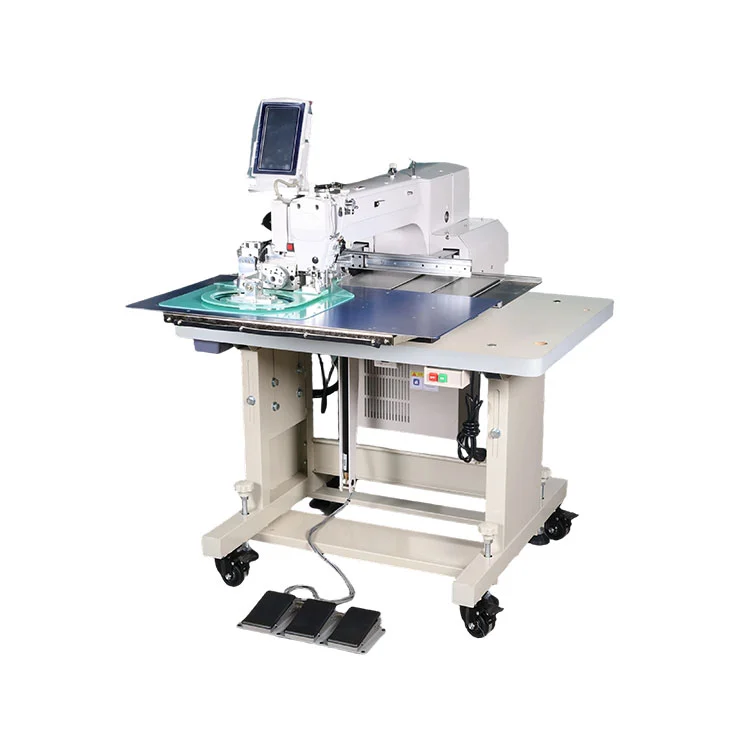
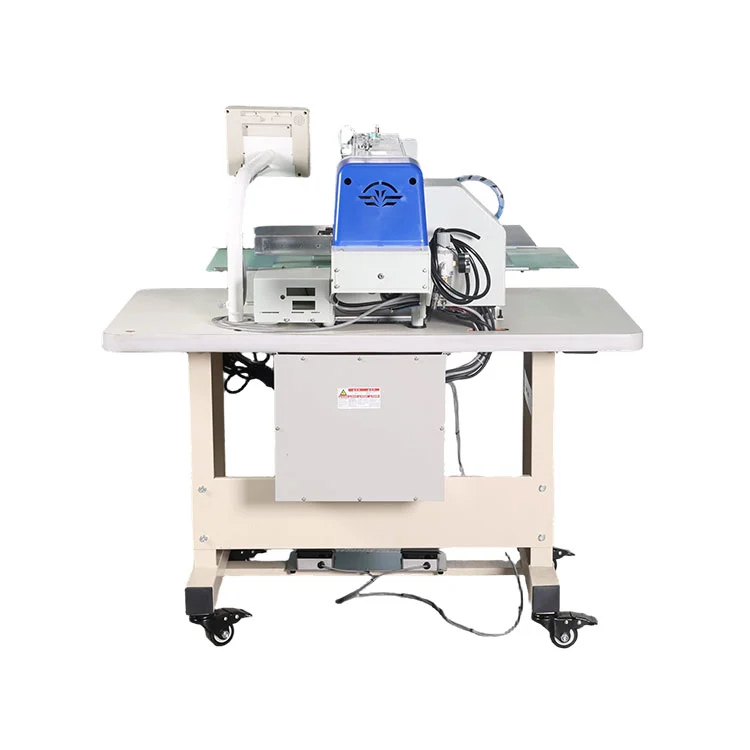
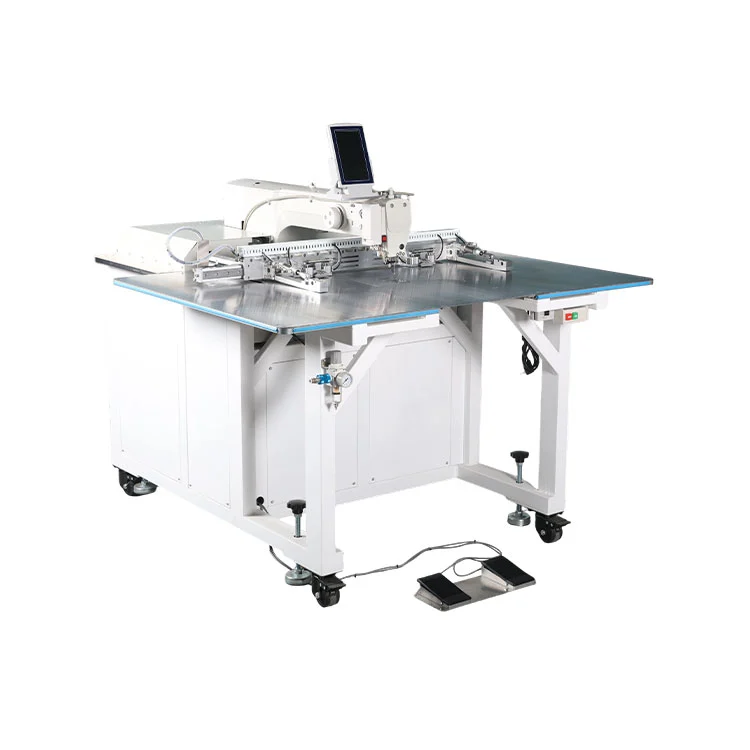
In today’s fast-evolving manufacturing environment, choosing the right sewing machine is no longer a simple purchasing decision. Whether you are operating a garment factory, an automotive interior workshop, a footwear production line, or an industrial textile facility, the performance, stability, and intelligence of your sewing machine directly impact productivity, quality, and long-term profitability. A modern sewing machine must go far beyond basic stitching—it must integrate precision, automation, consistency, and adaptability.
This comprehensive guide explores everything you need to know about sewing machines, from fundamental working principles to advanced automation solutions. Drawing on real-world manufacturing challenges and industry experience, this article helps decision-makers, engineers, and factory owners understand what truly matters when selecting a sewing machine for professional use. With insights inspired by the practical solutions offered by Dongguan Sanyou Automation Technology Co., Ltd., this guide aims to support smarter, future-ready investments.

This article provides an in-depth overview of sewing machines used in modern manufacturing environments. It explains types, core components, performance indicators, automation trends, application scenarios, maintenance considerations, and common buyer pain points. Practical comparisons, tables, and FAQs help readers make informed decisions while understanding how advanced solutions from Dongguan Sanyou Automation Technology Co., Ltd. can support stable, scalable production.
A sewing machine is far more than a tool for joining fabrics. In industrial manufacturing, it functions as a critical production asset that influences output speed, defect rates, labor efficiency, and product consistency. From high-volume apparel factories to precision-driven technical textile operations, sewing machines serve as the backbone of assembly processes.
Modern manufacturers demand sewing machines that deliver repeatable accuracy, withstand continuous operation, and adapt to diverse materials. Dongguan Sanyou Automation Technology Co., Ltd. focuses on understanding these real production requirements, ensuring that sewing machine solutions align with factory-scale expectations rather than hobby-level usage.
At its core, a sewing machine forms stitches by interlocking threads through controlled needle motion and fabric feed mechanisms. While the concept is simple, industrial-grade sewing machines rely on highly precise coordination between multiple components.
Advanced sewing machines from Dongguan Sanyou Automation Technology Co., Ltd. integrate electronic controls and intelligent sensors to ensure each stitch meets industrial quality standards.
Different production environments require different sewing machine configurations. Selecting the wrong type can lead to inefficiency, excessive downtime, or quality issues.
| Type | Main Function | Typical Applications |
|---|---|---|
| Lockstitch Sewing Machine | Basic straight stitching | Garments, uniforms, light textiles |
| Overlock Sewing Machine | Edge finishing and trimming | Knits, activewear, apparel assembly |
| Chain Stitch Sewing Machine | Elastic and decorative seams | Jeans, upholstery, workwear |
| Automated Sewing Machine | Programmable stitching paths | Automotive interiors, technical textiles |
Dongguan Sanyou Automation Technology Co., Ltd. offers sewing machine solutions designed to match these varied production needs while maintaining consistency across different material types.
Not all sewing machines perform equally under industrial conditions. Evaluating performance involves more than checking speed specifications.
High-performance sewing machines from Dongguan Sanyou Automation Technology Co., Ltd. are engineered to balance speed with control, ensuring quality is never sacrificed for output volume.
| Aspect | Manual Sewing Machine | Automated Sewing Machine |
|---|---|---|
| Labor Dependency | High | Low |
| Production Consistency | Operator-dependent | Highly consistent |
| Setup Time | Short | Initial programming required |
| Long-Term Efficiency | Limited | Excellent |
For manufacturers facing rising labor costs and quality demands, automated sewing machines developed by Dongguan Sanyou Automation Technology Co., Ltd. offer a scalable solution.
Manufacturers often struggle with inconsistent stitch quality, operator fatigue, frequent machine adjustments, and downtime. These issues not only affect output but also damage brand reputation.
By integrating intelligent controls, stable mechanical structures, and user-friendly interfaces, modern sewing machines reduce dependency on individual operator skill. Dongguan Sanyou Automation Technology Co., Ltd. addresses these pain points through engineering-driven design and factory-tested solutions.
Sewing machines are widely used across industries, including apparel, footwear, automotive interiors, medical textiles, and industrial safety products. Each sector demands different levels of precision, speed, and automation.
Dongguan Sanyou Automation Technology Co., Ltd. supports diverse industries by providing sewing machine systems adaptable to both standardized mass production and customized manufacturing lines.
Choosing the right sewing machine starts with understanding your production goals, material characteristics, and expected output volume.
Working with experienced suppliers like Dongguan Sanyou Automation Technology Co., Ltd. ensures your sewing machine investment aligns with both present and future needs.
A sewing machine’s true value is revealed over time. Proper lubrication, component quality, and accessible service support are essential for maintaining stable operation.
Sewing machines designed by Dongguan Sanyou Automation Technology Co., Ltd. prioritize durability and ease of maintenance, helping factories minimize downtime and extend equipment lifespan.
Is an automated sewing machine suitable for small factories?
Yes, automated sewing machines can significantly improve consistency and reduce labor dependency even in small-scale operations.
How long does a professional sewing machine typically last?
With proper maintenance, industrial sewing machines can operate reliably for many years.
Can one sewing machine handle multiple fabric types?
Advanced models with adjustable parameters can adapt to a wide range of materials.
What support should a sewing machine supplier provide?
Technical guidance, training, spare parts availability, and long-term service are essential.
A sewing machine is a strategic manufacturing investment, not just a piece of equipment. By understanding performance factors, automation options, and real production challenges, manufacturers can make informed decisions that drive efficiency and quality.
Dongguan Sanyou Automation Technology Co., Ltd. remains committed to delivering reliable, intelligent sewing machine solutions that support modern manufacturing demands. If you are looking to upgrade your production line or explore advanced automation options, we invite you to contact us to discuss how the right sewing machine can transform your operations.