Dongguan Sanyou Automation Technology Co., Ltd.
News

What Are Electronic Mechanical Sewing Machines and How Do They Transform Industrial Sewing Performance?

2026-07-06 0 Leave me a message

Electronic mechanical sewing machines represent a powerful fusion of traditional mechanical engineering and modern electronic control systems. They are widely used in garment production, upholstery manufacturing, automotive textiles, leather goods, and home sewing industries. This article explores their structure, working principles, advantages, limitations, and real-world applications. It also addresses common challenges faced by users such as inconsistent stitching, machine downtime, lack of automation, and maintenance complexity. By the end, readers will understand how these machines improve productivity, precision, and long-term cost efficiency in modern manufacturing environments.

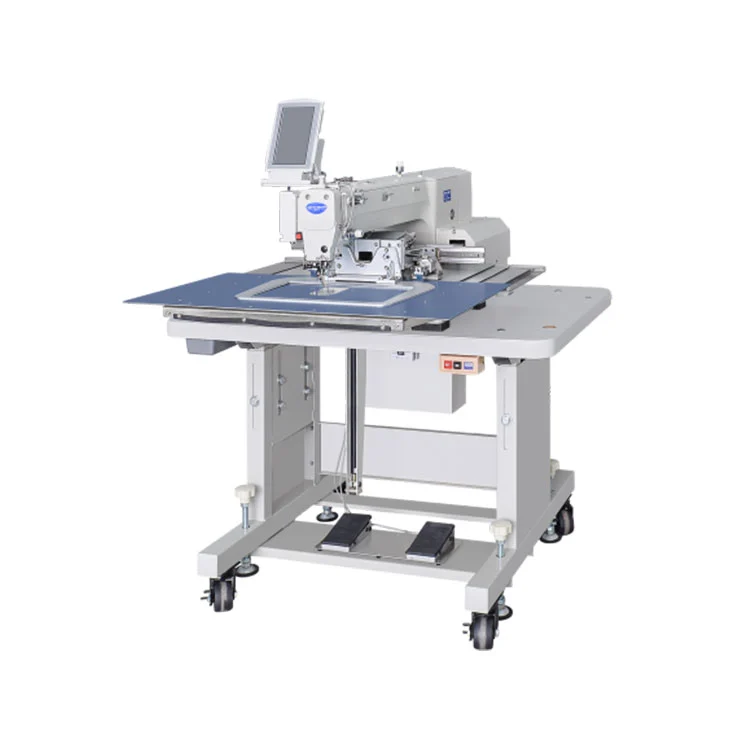
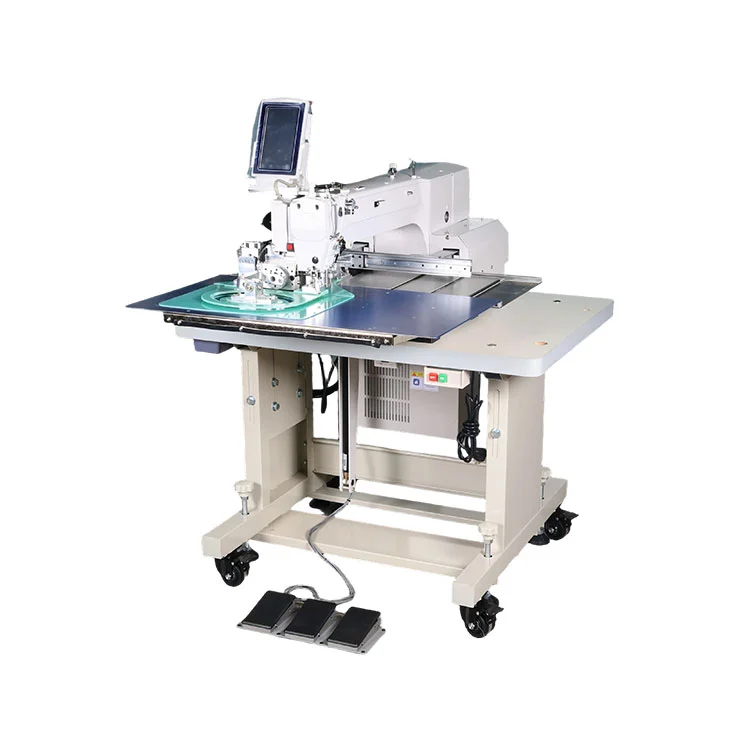
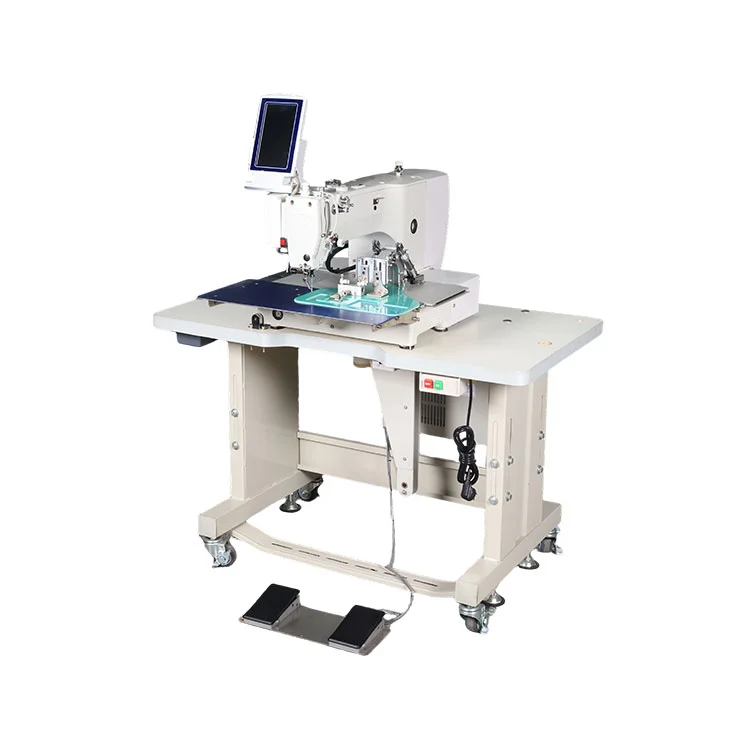
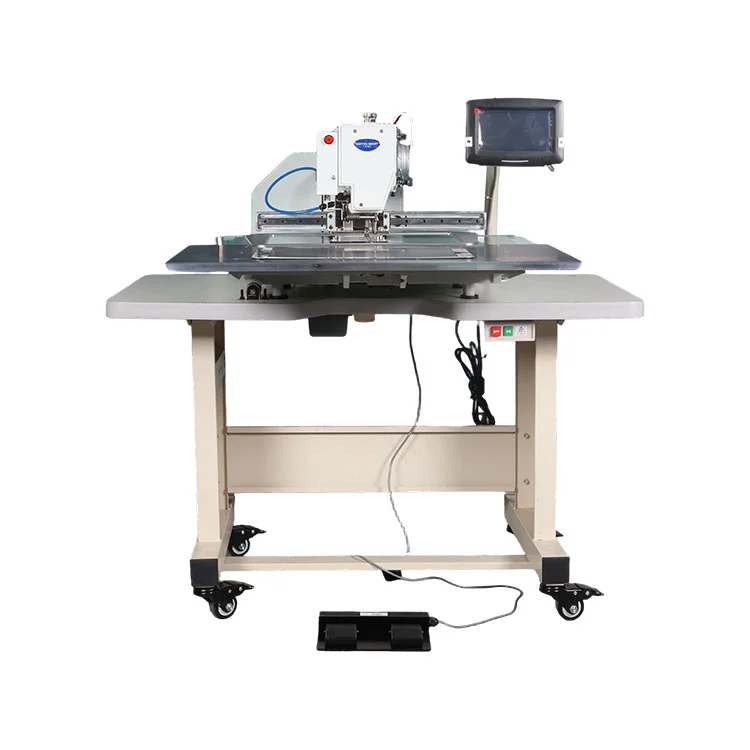
Electronic mechanical sewing machines


Table of Contents


1. Overview of Electronic Mechanical Sewing Machines

Electronic mechanical sewing machines combine a mechanical sewing framework with electronic control systems that enhance precision, speed control, and automation capabilities. Unlike purely mechanical machines that rely entirely on manual adjustments, these machines integrate digital components such as servo motors, microcontrollers, and programmable stitch settings.

The result is a hybrid system that retains the durability of mechanical sewing machines while significantly improving efficiency and consistency through electronic intelligence. This makes them a preferred choice for both small workshops and large-scale manufacturing lines.

In modern production environments, the demand for consistent stitching quality, reduced labor fatigue, and energy efficiency has driven widespread adoption of this technology.


2. How These Machines Work

Electronic mechanical sewing machines operate through a coordinated system of mechanical motion and electronic regulation. The motor receives signals from the control board, which adjusts speed, needle position, and stitch patterns based on user input.

The core workflow includes:

  • Power input activates the electronic control system.
  • The control unit sends commands to the servo motor.
  • The motor drives the needle bar and feed mechanism.
  • Fabric is moved precisely according to programmed stitch length.
  • Feedback sensors adjust performance in real time.

This integration ensures smoother operation, reduced vibration, and higher stitch accuracy compared to traditional systems.


3. Key Components Explained

Understanding the internal structure of electronic mechanical sewing machines helps users optimize performance and reduce maintenance costs.

Component Function Importance
Servo Motor Controls needle movement and speed Improves energy efficiency and precision
Control Panel Allows stitch programming and adjustments Enhances usability and flexibility
Needle System Performs stitching through fabric layers Determines stitch quality
Feed Mechanism Moves fabric consistently Ensures even stitching alignment
Sensors Monitor performance and detect errors Reduces downtime and improves safety

4. Major Benefits in Industrial Use

Electronic mechanical sewing machines offer significant advantages that directly address common production challenges such as inconsistency, inefficiency, and high operational costs.

  • Higher Productivity: Faster stitching speeds and reduced downtime increase output.
  • Improved Precision: Electronic controls ensure uniform stitch quality.
  • Energy Efficiency: Servo motors consume less electricity compared to clutch motors.
  • Reduced Operator Fatigue: Automation reduces manual effort.
  • Flexible Stitch Options: Supports multiple patterns and programmable settings.

These benefits make them ideal for industries requiring consistent production quality and scalable operations.


5. Electronic Mechanical vs Traditional Sewing Machines

A clear comparison helps understand why electronic mechanical sewing machines are increasingly replacing traditional models in industrial environments.

Feature Traditional Machines Electronic Mechanical Machines
Control System Manual mechanical adjustment Digital electronic control
Energy Consumption Higher Lower
Stitch Accuracy Moderate High precision
Maintenance Frequent mechanical tuning Lower maintenance frequency
Automation Capability Very limited Highly programmable

6. Industry Applications

These machines are widely adopted across multiple industries due to their versatility and reliability.

  • Garment Manufacturing: Mass production of clothing with consistent stitching quality.
  • Automotive Industry: Sewing car seat covers and interior textiles.
  • Leather Goods: Production of bags, shoes, and belts.
  • Home Textiles: Curtains, bedding, and upholstery items.
  • Industrial Fabrics: Heavy-duty stitching for technical textiles.

Their adaptability makes them a cornerstone of modern textile manufacturing systems.


7. Common Problems and Solutions

Despite their advantages, users may face certain challenges when operating electronic mechanical sewing machines.

  • Thread Breakage: Often caused by incorrect tension settings. Solution: adjust tension and use quality thread.
  • Irregular Stitching: May result from worn needles. Solution: replace needles regularly.
  • Motor Overheating: Caused by continuous heavy use. Solution: allow cooling intervals.
  • Software Errors: Reset or update control system firmware.
  • Fabric Jamming: Ensure proper feed alignment and cleaning.

Proper training and routine inspection can significantly reduce these issues.


8. Maintenance and Best Practices

Regular maintenance is essential for ensuring long-term performance and reliability.

  • Clean machine dust and lint daily.
  • Lubricate moving parts weekly.
  • Check electronic connections monthly.
  • Replace worn-out needles and belts promptly.
  • Calibrate stitch settings regularly.

Following these practices reduces breakdown risk and extends machine lifespan.


9. Buying Guide for Businesses

Choosing the right electronic mechanical sewing machine depends on production requirements, budget, and fabric type.

  • Production Scale: High-volume factories need industrial-grade models.
  • Fabric Type: Lightweight vs heavy-duty machines differ in capability.
  • Automation Level: Consider programmable stitch systems for flexibility.
  • Energy Consumption: Servo motor systems reduce operational costs.
  • After-Sales Support: Reliable technical support is essential.

Careful selection ensures long-term efficiency and reduces operational risks.


10. Future Trends in Sewing Automation

The future of sewing technology is moving toward deeper integration of automation, artificial intelligence, and smart manufacturing systems.

Emerging developments include:

  • AI-assisted stitch optimization
  • IoT-enabled machine monitoring
  • Fully automated sewing lines
  • Predictive maintenance systems
  • Cloud-based production control

These advancements will further reduce human error, improve production efficiency, and enable smarter factory environments.


11. Frequently Asked Questions

Q1: What makes electronic mechanical sewing machines different?
They combine mechanical durability with electronic precision control systems.

Q2: Are they suitable for small businesses?
Yes, they are available in various models suitable for both small workshops and large factories.

Q3: Do they require special training?
Basic training is recommended to fully utilize programmable functions.

Q4: How long do these machines last?
With proper maintenance, they can operate efficiently for many years.

Q5: Are they expensive to maintain?
No, they are generally cost-effective due to reduced mechanical wear and energy efficiency.


Conclusion and Professional Support

Electronic mechanical sewing machines have become an essential part of modern textile and manufacturing industries. Their ability to combine mechanical strength with electronic intelligence provides unmatched advantages in productivity, precision, and operational efficiency.

For businesses looking to upgrade their production capabilities, choosing the right partner is critical.

Dongguan Sanyou Automation Technology Co., Ltd. is committed to providing advanced sewing automation solutions tailored to industrial needs, helping clients achieve stable performance and long-term value.

If you are interested in improving your production efficiency or exploring customized sewing automation systems, please feel free to contact us for more professional solutions and technical support.

Related News
Leave me a message
X
We use cookies to offer you a better browsing experience, analyze site traffic and personalize content. By using this site, you agree to our use of cookies.Privacy Policy
RejectAccept