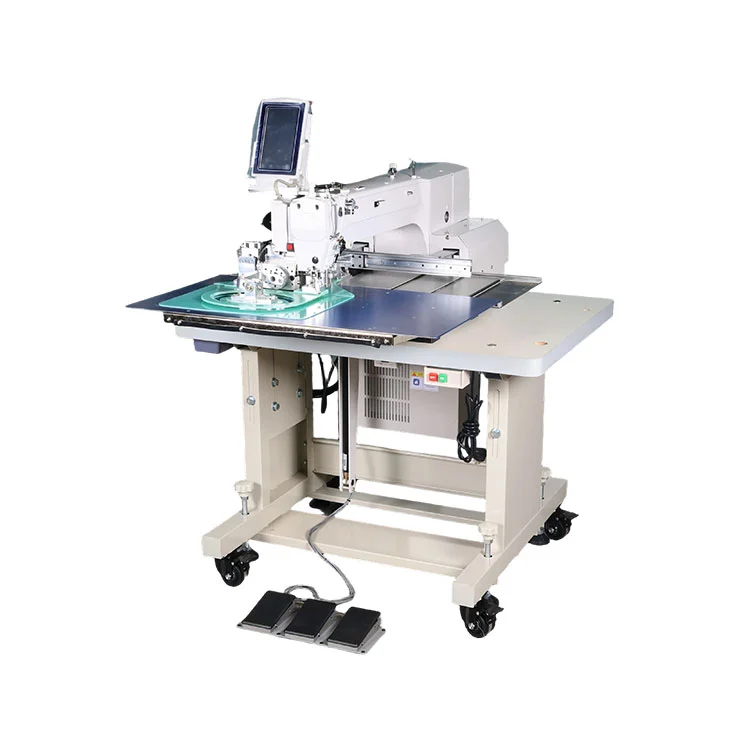
In modern manufacturing, computerized sewing machines—representing the pinnacle of intelligent sewing technology—are widely utilized across sectors such as footwear, luggage, and leather goods production. However, many enterprises discover post-purchase that maintenance challenges impose hidden costs that hinder production efficiency: imported brand parts are prohibitively expensive, repair lead times are long, and technical support is slow to respond—sometimes even resulting in production halts while waiting for solutions.
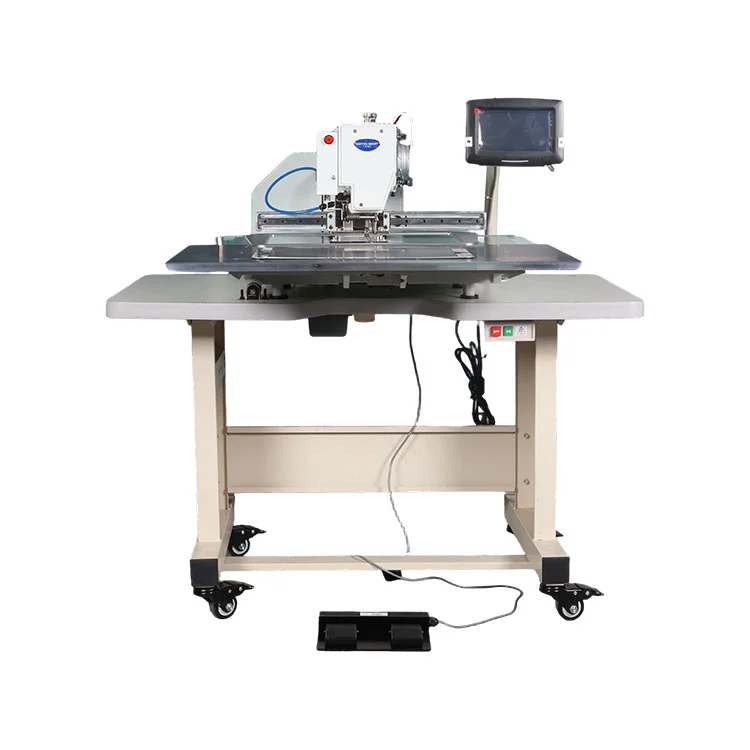
In modern sewing production environments, computerized sewing machines (also known as computerized pattern sewing machines or CNC pattern sewing machines) have become essential equipment for manufacturers of footwear, luggage, and leather goods. However, enterprises relying on imported equipment often face challenges such as lengthy repair times, exorbitant spare parts costs, and slow technical support responses.
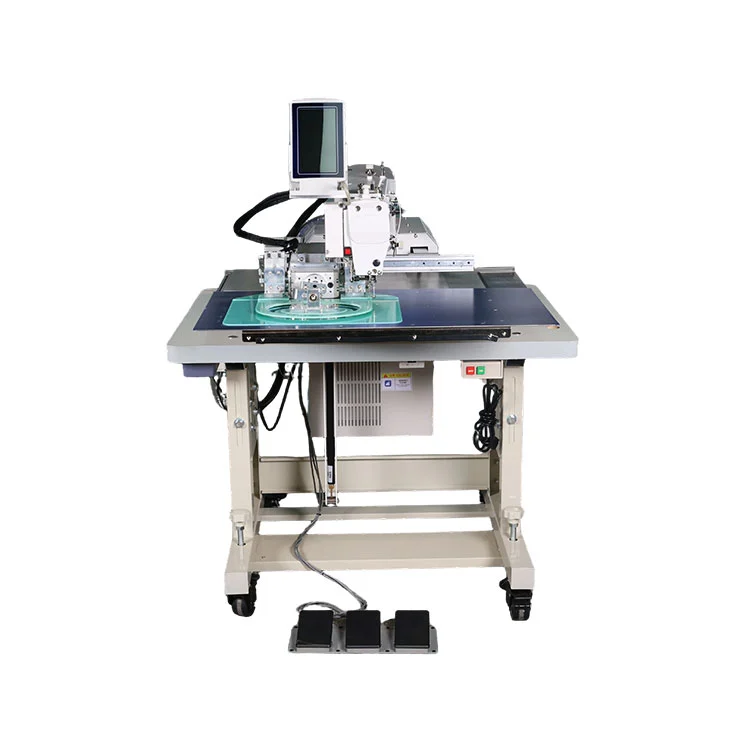
Electronic mechanical sewing machines represent a powerful fusion of traditional mechanical engineering and modern electronic control systems. They are widely used in garment production, upholstery manufacturing, automotive textiles, leather goods, and home sewing industries. This article explores their structure, working principles, advantages, limitations, and real-world applications. It also addresses common challenges faced by users such as inconsistent stitching, machine downtime, lack of automation, and maintenance complexity.
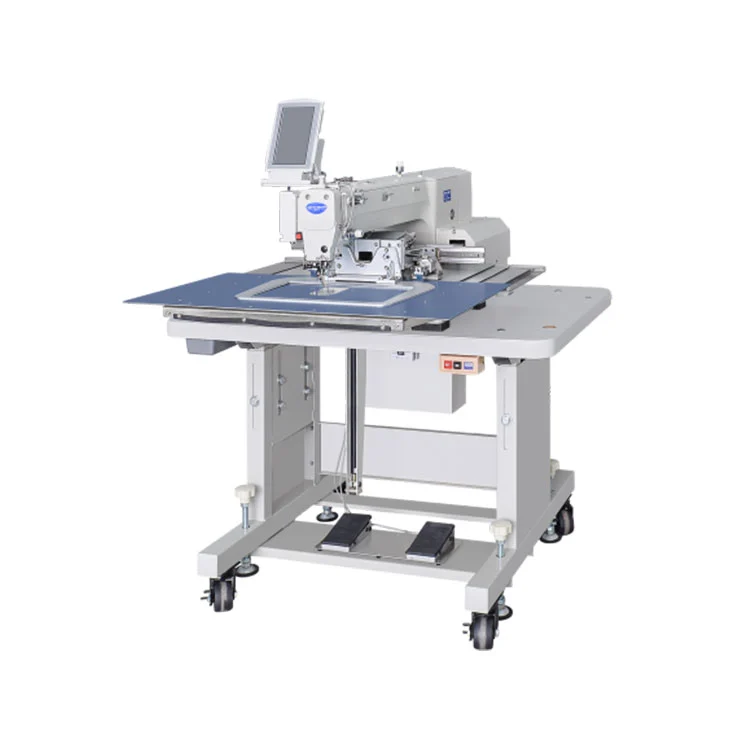
Amidst the wave of intelligent transformation in modern manufacturing, the sewing industry is undergoing profound technological change. Traditional manual sewing—characterized by a heavy reliance on skilled labor, inconsistent quality, and persistently high labor costs—has become a bottleneck hindering the growth of many enterprises.
In modern manufacturing, the sewing of labels—a critical process for product identification and decoration—has long faced the dual challenges of reliance on manual skill and inconsistent quality. Traditional manual curved sewing relies heavily on highly skilled operators; the task is beyond the capabilities of anyone but seasoned veterans, and the resulting lack of sewing consistency leads to high rework rates, directly impacting production efficiency.
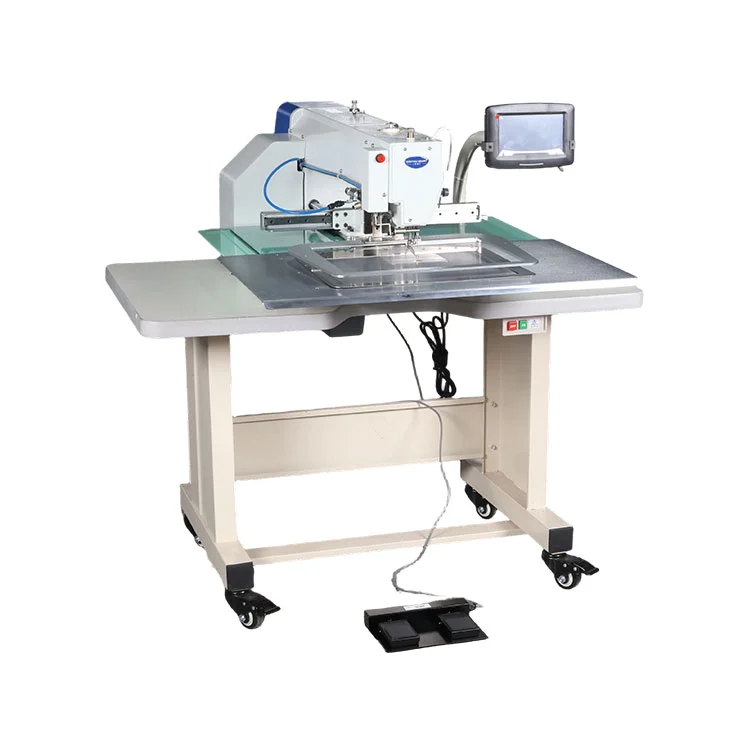
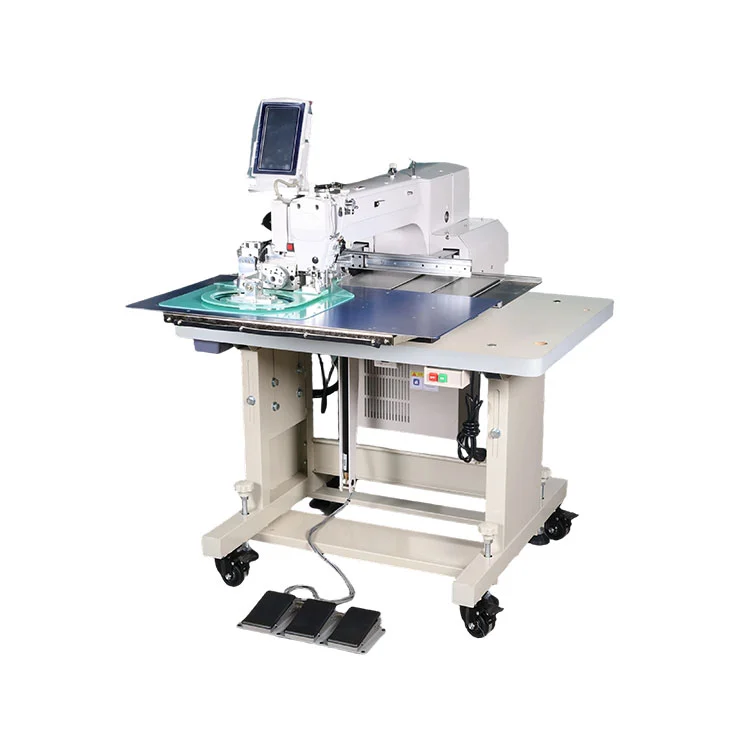
In the industrial sewing sector, computerized pattern sewing machines equipped with oscillating hooks—key equipment for executing complex curved stitching—have long faced market challenges characterized by high technical barriers and steep prices. Traditional manual curved stitching relies heavily on operator skill; the task requires years of experience, and inconsistencies often lead to high rework rates and reduced productivity.
We use cookies to offer you a better browsing experience, analyze site traffic and personalize content. By using this site, you agree to our use of cookies. Privacy Policy

 16 2026-07
  08 2026-07
  06 2026-07
  02 2026-07
  17 2026-06
  15 2026-06


