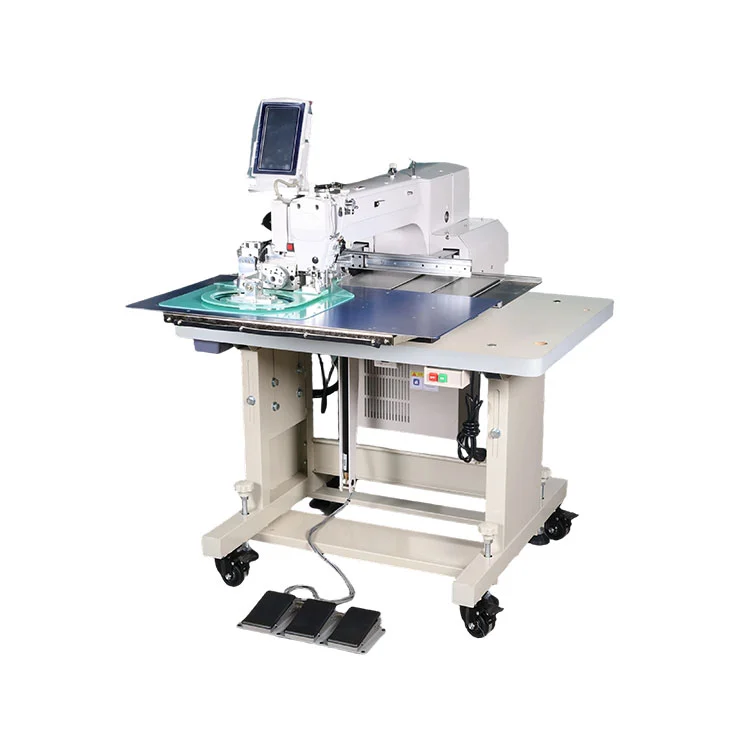
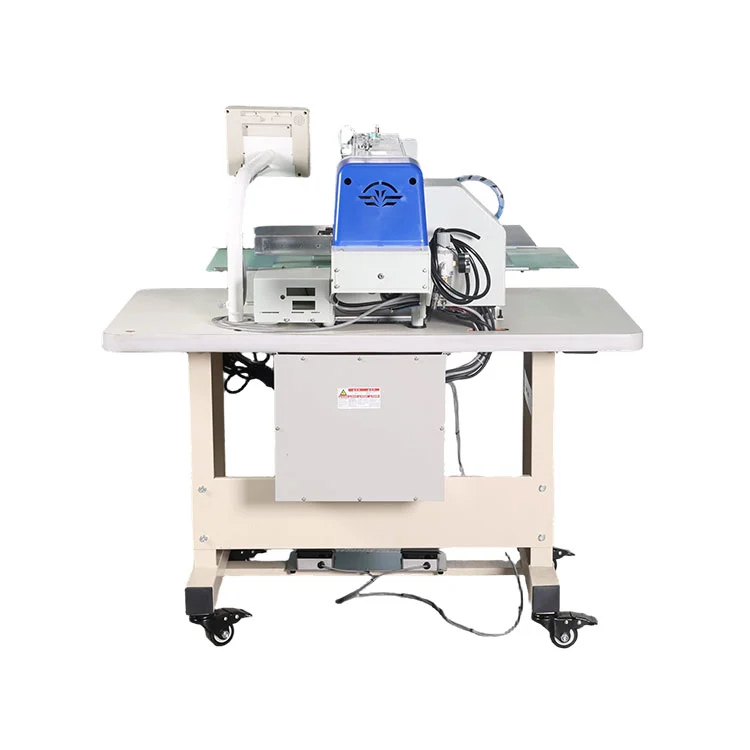
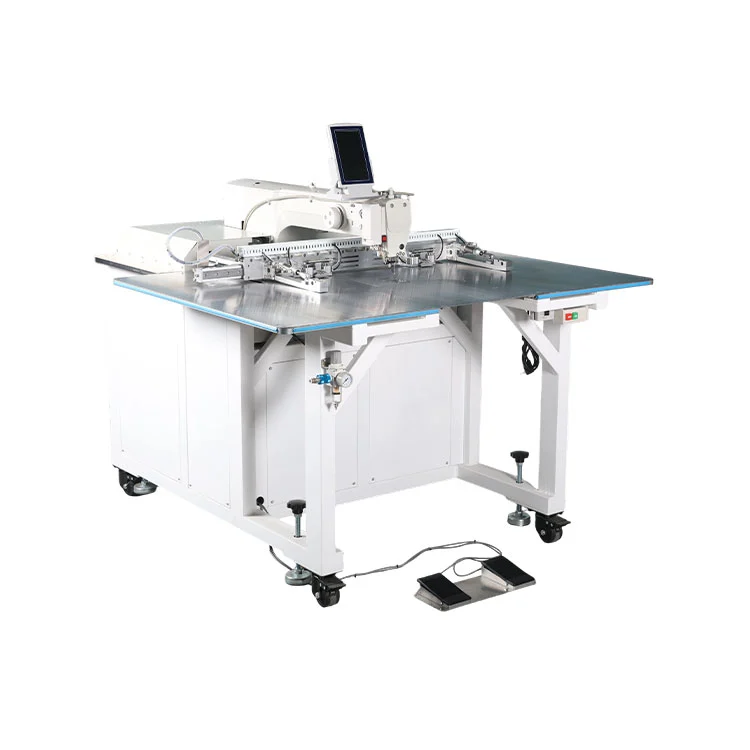
Modern manufacturing environments demand accuracy, speed, and consistency — especially in textile and apparel production. Choosing the right sewing equipment is one of the most important decisions businesses and workshops face. This article delivers an in-depth exploration of sewing equipment, addressing common operational challenges such as production bottlenecks, quality inconsistencies, and maintenance concerns. It provides practical insights into equipment types, selection strategies, technological developments, workflow optimization, and cost management. Whether you manage a factory or operate a specialized workshop, this guide is designed to help you make confident decisions that enhance productivity and long-term value.

Sewing equipment represents the backbone of garment manufacturing, upholstery production, technical textile fabrication, and numerous other industries. It encompasses machines and tools designed to join fabrics or materials using stitching, bonding, or automated processes. From simple manual devices to advanced programmable systems, sewing equipment has evolved dramatically in response to market demand and technological innovation.
Manufacturers often encounter challenges when scaling production or improving output quality. Inconsistent stitching, downtime, inefficient workflows, and high labor dependency can all limit profitability. By selecting appropriate sewing equipment and integrating modern automation solutions, these issues can be mitigated effectively. Companies such as Dongguan Sanyou Automation Technology Co., Ltd. have contributed to advancing industrial sewing efficiency through intelligent machinery solutions that prioritize reliability and precision.
High-quality sewing equipment directly impacts throughput, defect rates, and operational consistency. Proper machinery selection ensures uniform stitching, reduces manual intervention, and supports scalable production.
When organizations invest strategically, they often observe measurable improvements in workflow efficiency and customer satisfaction. This is especially true when sourcing solutions from experienced manufacturers like Dongguan Sanyou Automation Technology Co., Ltd., whose equipment focuses on balancing performance with durability.
Understanding equipment classifications helps buyers align machine capabilities with production needs.
| Equipment Type | Primary Use | Advantages | Limitations |
|---|---|---|---|
| Lockstitch | General stitching | Versatile and reliable | Limited for edge finishing |
| Overlock | Edge finishing | Fast and clean seams | Not ideal for structural stitching |
| Chain Stitch | Stretch materials | Flexible and decorative | Less durable in some applications |
| Embroidery | Design branding | Customization capability | Higher investment cost |
| Automated Pattern | Precision manufacturing | High repeat accuracy | Training required |
Selecting machinery should involve evaluating production scale, material types, operator skill levels, and facility layout. Decision-makers frequently prioritize initial cost without considering long-term operational impact.
Dongguan Sanyou Automation Technology Co., Ltd. provides consultation and tailored configurations to ensure customers obtain equipment aligned with their workflow objectives, reducing the risk of mismatched investments.
Automation has transformed sewing operations by introducing programmable features and intelligent monitoring. Sensors, digital interfaces, and robotics reduce operator fatigue and improve reproducibility.
Benefits include predictive maintenance alerts, production data tracking, and rapid pattern switching. These enhancements enable manufacturers to maintain competitiveness in markets demanding customization and fast turnaround times.
Preventive maintenance extends machine lifespan and preserves performance. Neglect often results in unexpected downtime and increased repair expenses.
Working with established suppliers like Dongguan Sanyou Automation Technology Co., Ltd. ensures access to technical support and guidance that minimizes operational disruptions.
Investment decisions should evaluate total ownership cost rather than upfront price alone. Energy consumption, repair frequency, and productivity gains contribute to overall value.
| Factor | Short-Term Impact | Long-Term Impact |
|---|---|---|
| Purchase Cost | Budget allocation | Minor relative influence |
| Energy Efficiency | Utility expenses | Significant savings |
| Productivity | Output rate | Revenue growth |
| Maintenance | Service downtime | Operational stability |
Safe working conditions improve morale and reduce incidents. Modern sewing equipment incorporates guards, ergonomic seating compatibility, and intuitive controls to support operator wellbeing.
Attention to workstation design prevents fatigue and supports sustained productivity over long shifts.
Emerging innovations point toward smarter manufacturing environments. Connectivity between machines and centralized monitoring systems will enable real-time performance optimization. Enhanced robotics and AI-driven inspection may further reduce defect rates and accelerate customization capabilities.
Manufacturers that adapt early are more likely to maintain resilience against evolving market demands and production expectations.
What factors influence sewing equipment durability?
Durability depends on material quality, operating environment, maintenance routines, and frequency of use.
How often should machines be serviced?
Routine inspection schedules vary, but quarterly professional checks combined with daily basic care are widely recommended.
Can automation reduce labor costs?
Yes, automated functions streamline repetitive processes, allowing operators to focus on higher-value tasks.
Is upgrading equipment worth the investment?
If current systems limit capacity or quality, upgrades can significantly improve efficiency and profitability.
How can beginners choose suitable equipment?
Starting with versatile machines and consulting experienced providers ensures scalable solutions.
Sewing equipment remains central to manufacturing success, influencing production capacity, quality standards, and operational stability. By understanding machine types, evaluating requirements carefully, and prioritizing long-term value, organizations can overcome common challenges and build sustainable workflows. Partnering with experienced suppliers such as Dongguan Sanyou Automation Technology Co., Ltd. allows businesses to access advanced solutions and technical guidance tailored to their goals.
If you are ready to improve your manufacturing capability and explore dependable equipment options designed for performance and longevity, contact us today to discover how Dongguan Sanyou Automation Technology Co., Ltd. can support your next stage of growth — contact us for consultation, customization, and professional assistance.