In modern manufacturing, computerized sewing machines—representing the pinnacle of intelligent sewing technology—are widely utilized across sectors such as footwear, luggage, and leather goods production. However, many enterprises discover post-purchase that maintenance challenges impose hidden costs that hinder production efficiency: imported brand parts are prohibitively expensive, repair lead times are long, and technical support is slow to respond—sometimes even resulting in production halts while waiting for solutions.
Consequently, selecting an equipment supplier that offers a comprehensive technical support system, cost-effectiveness, and ease of maintenance holds greater strategic value than simply seeking out a repair service provider.
Common faults encountered during the operation of computerized sewing machines include: control system malfunctions leading to deviations in the sewing path, sluggish servo motor response, jamming of the automatic thread-trimming system, and touchscreen operational failures. These issues not only disrupt production continuity but also compromise product quality consistency and increase rework costs.
• Long lead times for spare parts: Parts for imported brands require cross-border ordering, often involving waiting periods of several weeks or even months.
• Lack of transparency in maintenance costs: Some service providers lack standardized pricing structures, making it difficult for enterprises to control expenses.
• High technical dependency: Equipment systems are often proprietary (closed), making it difficult for unauthorized personnel to perform in-depth diagnostics and repairs.
Rather than scrambling to find a repair service after a breakdown occurs, it is far better to select an equipment supplier with a comprehensive technical support system during the procurement phase. This proactive strategy fundamentally reduces both the frequency of repairs and the associated costs.
Equipment utilizing proprietary control systems is compatible with all standard file formats and supports custom feature development tailored to specific customer needs. This open architecture allows in-house technical staff to handle basic troubleshooting, eliminating total reliance on external repair services.
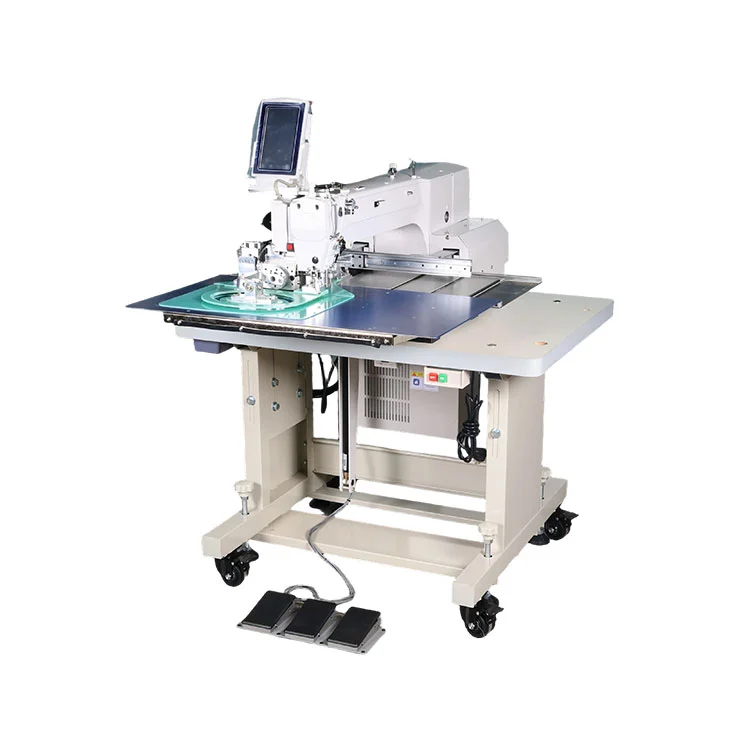
The use of servo spindle motors—combined with closed-loop stepper motors and encoders for the X/Y axes and the presser foot—enables real-time tracking that effectively prevents common issues such as positional drift or misalignment. This precision control system minimizes the likelihood of malfunctions at the hardware level.
Suppliers provide end-to-end technical support—ranging from training for beginners to template creation, machine commissioning, and software operation—enabling enterprises to build their own internal maintenance capabilities. This empowerment model offers greater long-term sustainability than relying on external repair providers.
Dongguan Sanyou Automation Technology Co., Ltd. specializes in the R&D, production, and sales of intelligent and automated sewing equipment. Its products possess the technical capability to replace major international brands such as Mitsubishi, Juki, and Brother. The company’s shareholders and key personnel bring over 20 years of industry experience; in 2024, the company was designated a "High-Tech Enterprise" in Guangdong Province and has secured 11 utility model patents and one software copyright.
Take the SY-2210 model as an example: a unit with a 220×100mm sewing area is priced under 20,000 RMB, whereas comparable foreign products exceed 40,000 RMB. Similarly, the SY-3020 model (300×200mm sewing area) costs less than 30,000 RMB, while foreign equivalents exceed 60,000 RMB. This price advantage allows enterprises to stock backup units while keeping the total investment far below the cost of a single imported machine.
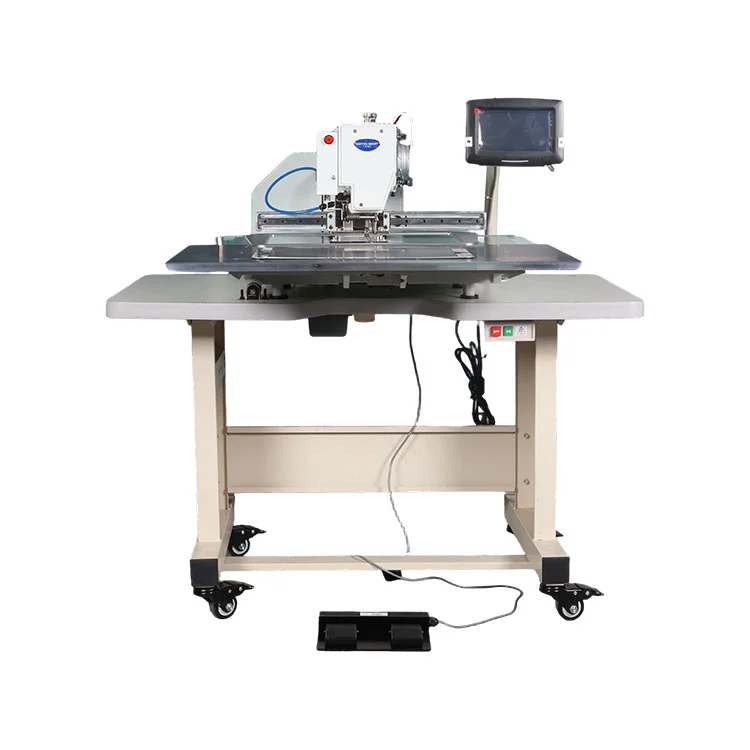
The equipment supports automatic curve sewing based on preset stitch lengths and sequences, programmed via the machine's control panel or a computer. It features a 7-inch high-definition capacitive touchscreen for responsive operation. This intelligent programming capability enables non-specialists to execute complex sewing tasks, thereby reducing the risk of equipment failure caused by improper handling.
Traditional manual curve sewing relies heavily on worker expertise—requiring years of experience—and often suffers from inconsistent quality. By automating the sewing process according to preset patterns, the machine requires operators only to position the materials, effectively decoupling production from specialized manual skills. This model not only boosts efficiency but also lowers the likelihood of equipment malfunctions caused by frequent manual adjustments.
By eliminating human error, the equipment ensures perfectly consistent sewing results, producing aesthetically pleasing stitches at high speeds and reducing rework costs. In applications with contract manufacturers for major brands—such as Adidas, Anta, Li-Ning, Skechers, and Dr. Kong—this high level of consistency has simultaneously improved efficiency and quality in sports shoe upper production, resulting in significant savings on labor costs.
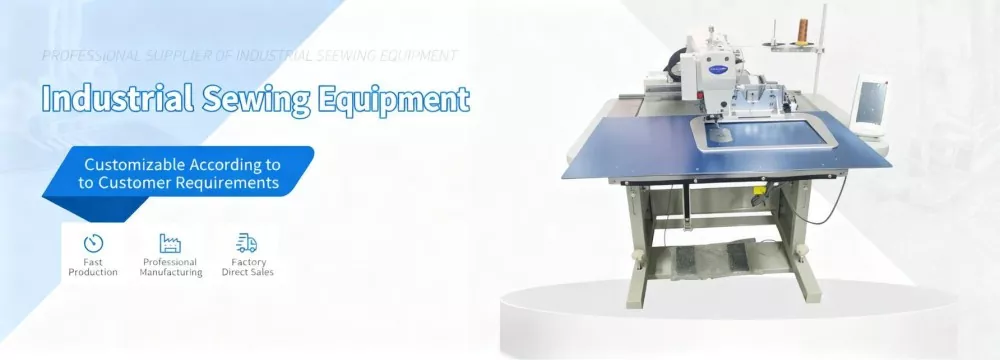
Enterprises should implement a schedule for routine inspections, covering tasks such as control system software updates, lubrication and maintenance of mechanical components, and checks of electrical connections. Preventive maintenance of this nature is more cost-effective than reactive repairs.
Leverage comprehensive training programs provided by vendors to train internal staff in equipment operation and basic maintenance. Building this capability enables the enterprise to respond quickly to common malfunctions and minimize downtime.
Adopt equipment featuring independent control systems and compatibility with multiple file formats to allow for future functional upgrades and system optimizations. An open technical architecture is key to reducing long-term maintenance costs.
When selecting equipment vendors, look beyond product performance and price; prioritize service-related factors such as the speed of technical support responses, the reliability of spare parts supply, and the comprehensiveness of training programs.
The core issue regarding the maintenance of computerized sewing machines lies in the selection of equipment and suppliers. Rather than passively seeking repair services after a breakdown occurs, it is far more effective to select a domestic equipment supplier during the procurement phase—one that offers proprietary technology, a comprehensive service system, and a strong price-performance ratio. By leveraging advantages such as proprietary control systems, closed-loop control technology, and thorough training support, enterprises can establish preventive maintenance systems and effectively manage the total lifecycle cost of their equipment. Amidst the transformation and upgrading of the manufacturing sector, this strategic approach to equipment selection is helping an increasing number of enterprises overcome maintenance challenges and boost overall production efficiency.