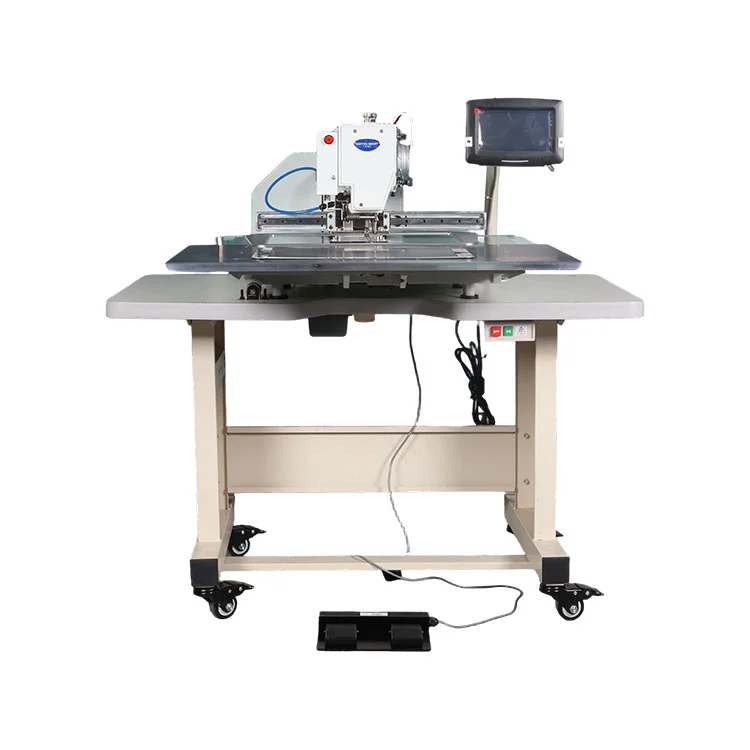
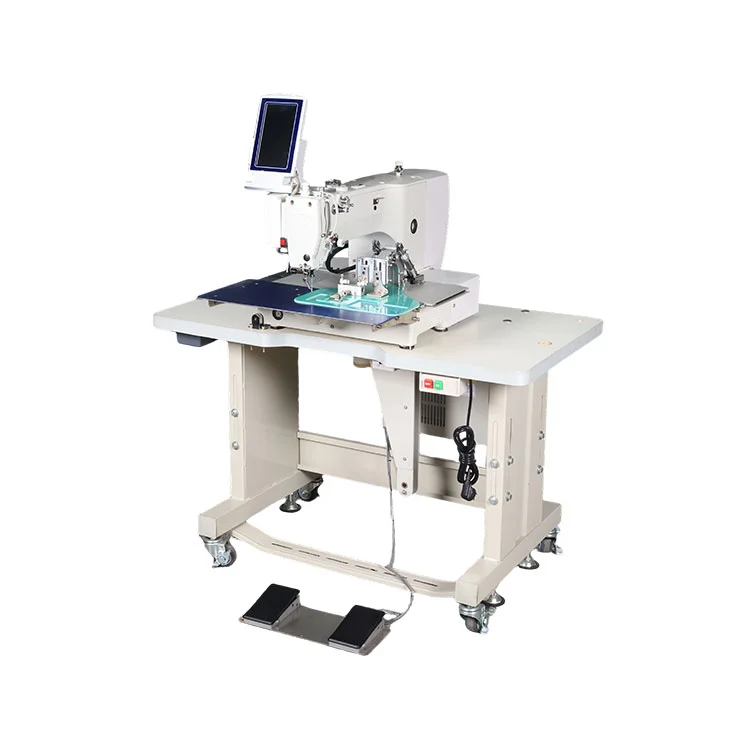
Sewing machines have been a cornerstone of textile production for over two centuries. Since their invention in the early 19th century, these devices have revolutionized garment-making, enabling faster and more precise stitching than hand-sewing. Today, traditional sewing machines remain essential for hobbyists, tailors, and small businesses worldwide.
Despite advancements in automation, manual and semi-automatic sewing machines continue to thrive due to their affordability, durability, and versatility. Brands like Singer, Brother, and Janome dominate the market, offering models that cater to beginners and professionals alike. From basic straight stitches to intricate embroidery, these machines empower users to bring their creative visions to life.
Experts highlight that traditional sewing machines foster skill development. "Learning on a manual machine builds a strong foundation in sewing techniques," says Maria Lopez, a veteran dressmaker. "It teaches patience and precision, which are crucial for mastering the craft."
While automated alternatives gain popularity, the demand for conventional sewing machines persists, particularly in developing nations where accessibility and cost are key considerations. As DIY culture grows, these timeless tools continue to stitch their way into the future.
We use cookies to offer you a better browsing experience, analyze site traffic and personalize content. By using this site, you agree to our use of cookies.Privacy Policy