We are glad to share with you about the results of our work, company news, and give you timely developments and personnel appointment and removal conditions.
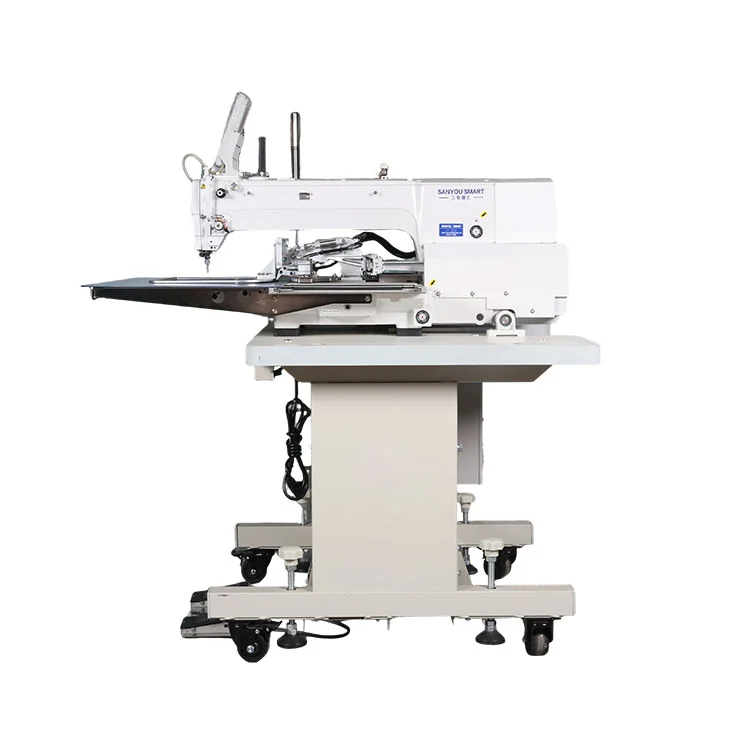
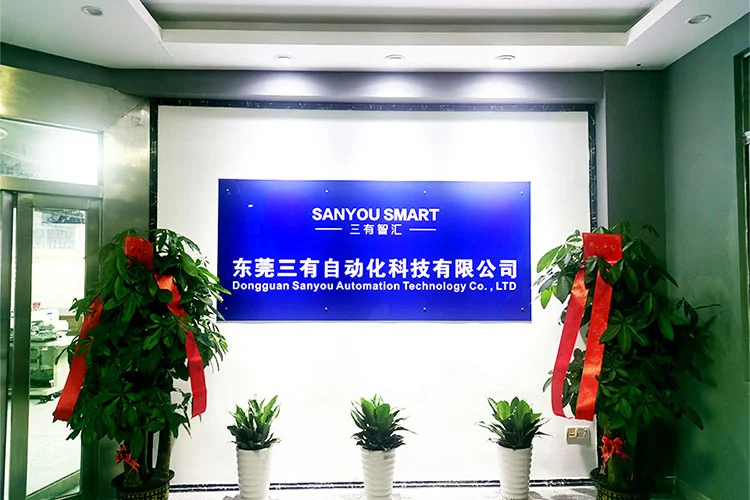
Dongguan Sanyou Automation Technology Co., Ltd. (brand name: SANYOU SMART), founded in 2022, specializes in the R&D, production and sales of intelligent sewing equipment. Its shareholders and core team members possess over 20 years of experience in the automatic sewing machinery sector. Such deep technical accumulation empowers its products to partially substitute imported alternatives.
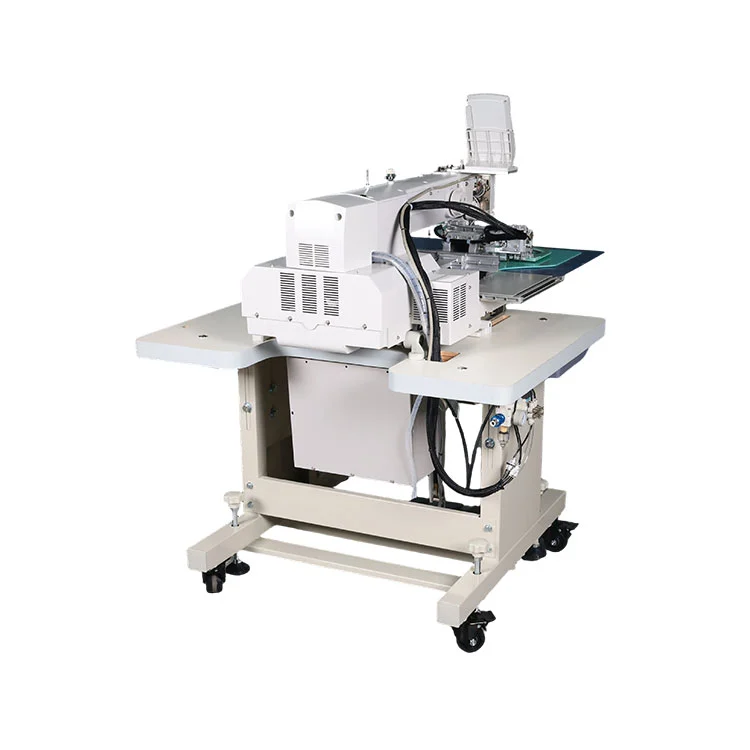
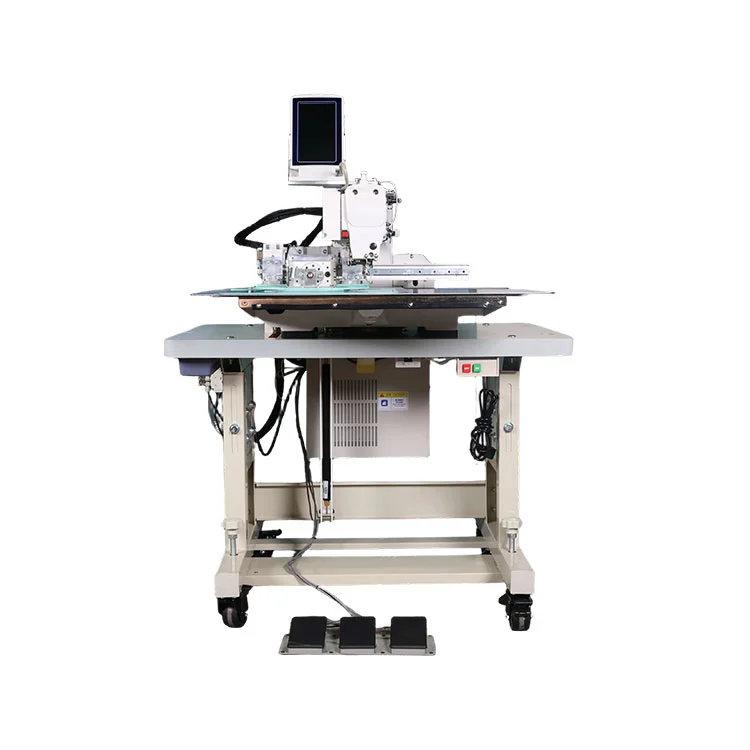
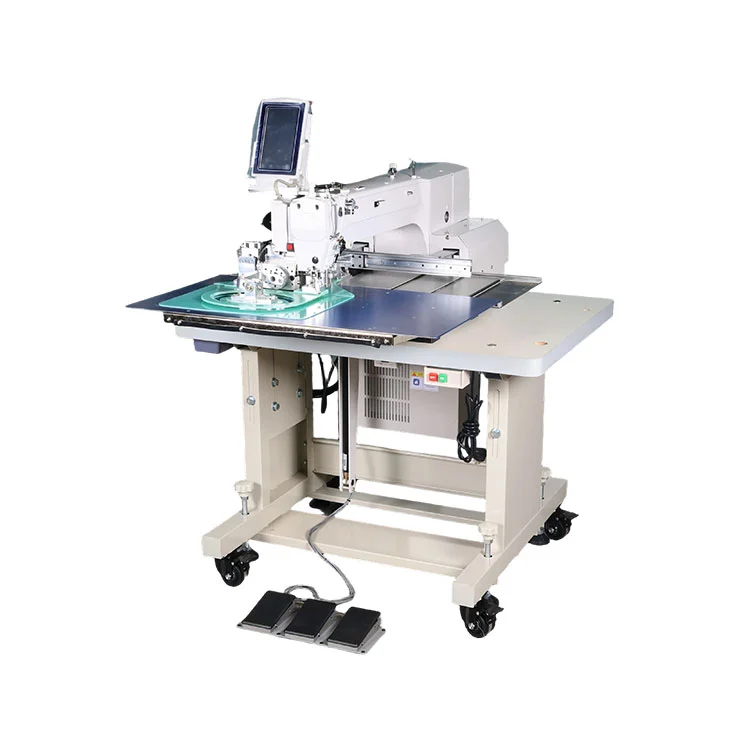
As a symbol of intelligent sewing equipment, pattern sewing machines replace manual operations with numerical control technology, offering a transformation path for manufacturers. Nevertheless, imported brands come with steep price tags, creating barriers for small and medium-sized enterprises looking to upgrade automation. Against this backdrop, domestic equipment suppliers with viable technology substitution capability and outstanding cost performance are attracting growing market attention.
In modern manufacturing, the choice of a fully automated computerized sewing machine supplier directly impacts a company's production efficiency and cost control. Traditional sewing enterprises face a clear dilemma: complex curved sewing processes rely heavily on the skills of experienced workers, making it difficult for anyone without years of expertise to handle such precision tasks.
Amidst the wave of transformation in modern manufacturing, automating the sewing process has long been a major challenge for labor-intensive enterprises. Traditional curved sewing relies heavily on the expertise of skilled workers—tasks that are difficult for less experienced operators to master. Furthermore, inconsistencies inherent in manual operation directly lead to higher rework rates, severely impacting production efficiency.
Amidst the global wave of intelligent transformation in the sewing industry, traditional manual sewing methods face significant challenges. Complex curve sewing relies heavily on the skills of experienced workers, and high rework rates—stemming from inconsistent sewing quality—have long constrained the production efficiency of manufacturers producing footwear, handbags, and luggage. Dongguan Sanyou Automation Technology Co., Ltd. (brand name: SANYOUSMART), located in the Wanjiang Subdistrict of Dongguan City, specializes in the R&D, production, and sales of intelligent sewing equipment, providing the industry with customizable automated sewing solutions.
In modern manufacturing, computerized sewing machines—representing the pinnacle of intelligent sewing technology—are widely utilized across sectors such as footwear, luggage, and leather goods production. However, many enterprises discover post-purchase that maintenance challenges impose hidden costs that hinder production efficiency: imported brand parts are prohibitively expensive, repair lead times are long, and technical support is slow to respond—sometimes even resulting in production halts while waiting for solutions.
We use cookies to offer you a better browsing experience, analyze site traffic and personalize content. By using this site, you agree to our use of cookies. Privacy Policy

 21 2026-10
  15 2026-10
  22 2026-09
  12 2026-08
  27 2026-07
  16 2026-07


