Dongguan Sanyou Automation Technology Co., Ltd.
News

How Can an Industrial Stitching Machine Transform Your Manufacturing Process?

2026-04-08 0 Leave me a message

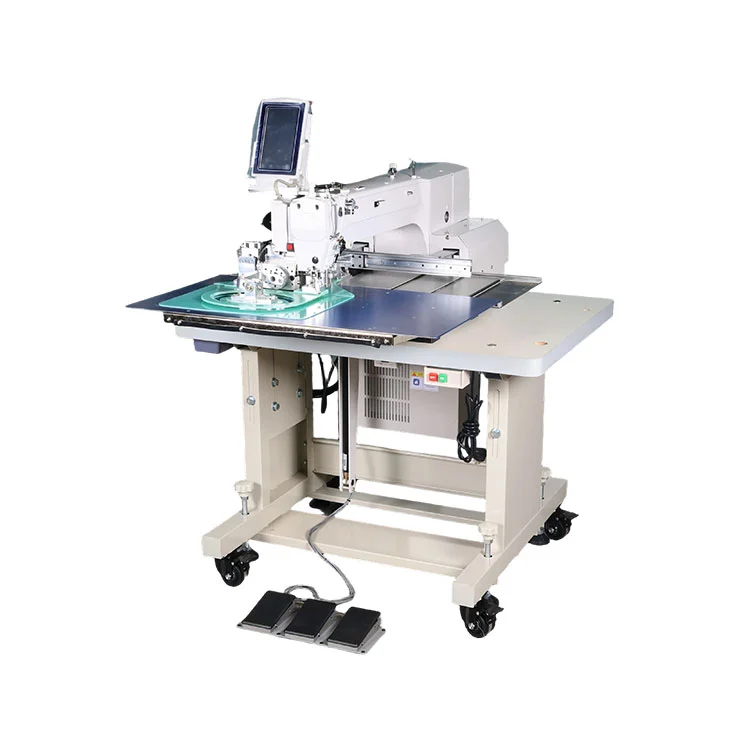
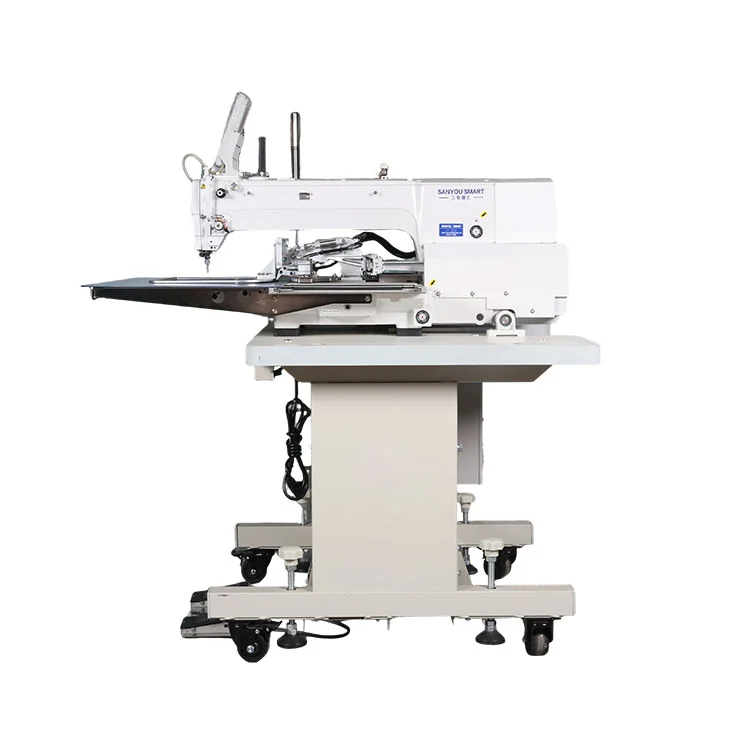
Industrial stitching machines are revolutionizing the way manufacturers handle large-scale sewing tasks. From automotive upholstery to heavy-duty textile production, these machines offer unmatched efficiency, precision, and durability. This article explores the key benefits, features, operational tips, and buying considerations for industrial stitching machines, helping businesses make informed decisions. Featuring insights from Dongguan Sanyou Automation Technology Co., Ltd., we aim to solve common pain points in manufacturing and improve productivity.

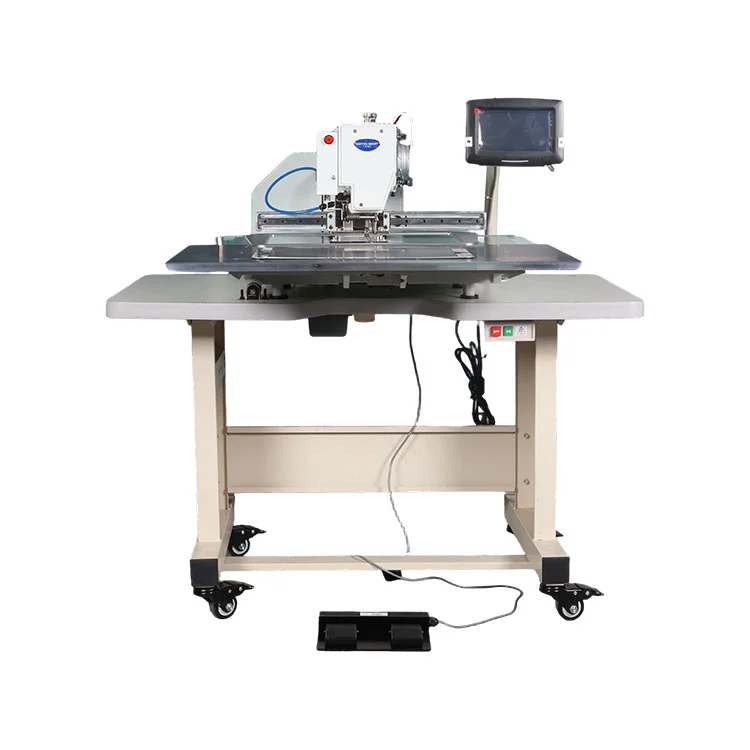
Industrial stitching machines

Table of Contents


Introduction to Industrial Stitching Machines

Industrial stitching machines are robust, high-speed sewing devices designed for commercial and large-scale production environments. Unlike domestic sewing machines, these industrial-grade machines are engineered to handle heavy fabrics, continuous operation, and complex stitching patterns with precision.

For manufacturers, investing in an industrial stitching machine can significantly reduce manual labor, improve production quality, and enable the handling of tougher materials like leather, canvas, and denim. Companies like Dongguan Sanyou Automation Technology Co., Ltd. have pioneered innovative solutions that cater to modern industrial requirements.


Key Benefits of Using Industrial Stitching Machines

  • Enhanced Efficiency: Industrial machines operate at high speeds, dramatically increasing production output compared to manual or domestic machines.
  • Consistency and Precision: Advanced mechanisms ensure uniform stitch quality, reducing defects and wastage.
  • Durability: Built to withstand continuous operation and heavy materials, industrial machines last longer and require less frequent replacement.
  • Versatility: Capable of various stitching types and patterns, suitable for textiles, automotive, leather goods, and upholstery industries.
  • Reduced Labor Costs: Automation reduces manual intervention, freeing skilled operators for other tasks.

Types of Industrial Stitching Machines

Industrial stitching machines are categorized based on functionality and sewing requirements. Some popular types include:

Type Function Ideal Application
Single Needle Lockstitch Machine Basic straight stitch for heavy fabrics Garment factories, leather products
Double Needle Machine Parallel stitching for strong seams Jeans, denim, upholstery
Overlock/Serger Machine Finishing edges to prevent fraying Textiles, sportswear
Automatic Pattern Machine Programmable designs and complex stitching High-end fashion, embroidery, industrial branding
Walking Foot Machine Even feeding of multiple layers Quilting, canvas, heavy leather

Features and Specifications to Consider

When choosing an industrial stitching machine, evaluating the following specifications is crucial:

  • Motor Power: Higher wattage motors handle tougher fabrics and longer work periods.
  • Stitch Speed: Machines range from 1,000 to over 5,000 stitches per minute.
  • Stitch Type Options: Single, double, zig-zag, overlock, and programmable patterns.
  • Material Compatibility: Ensure the machine can sew thick fabrics like leather or canvas.
  • Automation Features: Needle positioning, automatic thread trimming, and programmable operations.
  • Durability and Build Quality: Metal chassis, precision components, and low vibration design ensure longevity.

Operational Tips for Maximum Efficiency

  1. Proper Setup: Align machine components and check thread tension before production.
  2. Regular Lubrication: Keep moving parts well-oiled to prevent wear and maintain smooth operation.
  3. Operator Training: Ensure operators are trained on different functions, stitch types, and troubleshooting.
  4. Batch Production Planning: Organize materials and patterns to minimize downtime between tasks.
  5. Use Quality Materials: High-quality threads and needles reduce breakage and maintain seam integrity.

Maintenance and Troubleshooting

Industrial stitching machines require regular maintenance to sustain performance:

  • Daily Cleaning: Remove lint, dust, and thread debris from the machine.
  • Check Tension and Needle: Replace worn needles and adjust tension to prevent skipped stitches.
  • Periodic Professional Servicing: Engage certified technicians for mechanical inspection every 6-12 months.
  • Common Troubleshooting Issues: Thread breakage, uneven stitches, and motor overheating.

Following these steps ensures that your industrial stitching machine remains reliable and efficient over time, providing consistent results in high-demand production environments.


Cost Analysis and ROI

Investing in an industrial stitching machine requires a balance between upfront cost and long-term benefits. Consider the following factors:

Factor Impact
Initial Investment High-quality machines from Dongguan Sanyou Automation Technology Co., Ltd. may cost more upfront but offer longer service life.
Labor Savings Automation reduces manpower requirements and operational costs.
Production Efficiency Faster stitching speeds and reduced errors increase output.
Maintenance Costs Regular care minimizes downtime and expensive repairs.
ROI Period Typically achieved within 12-24 months depending on production volume.

Choosing the Right Supplier

Partnering with a reliable supplier ensures consistent machine quality, technical support, and spare parts availability. Consider suppliers who offer:

  • Comprehensive product catalog with various machine types.
  • Technical support and on-site training.
  • After-sales service and warranty options.
  • Proven reputation in industrial sewing solutions, such as Dongguan Sanyou Automation Technology Co., Ltd.

FAQ About Industrial Stitching Machines

Q1: What materials can an industrial stitching machine handle?
A1: Industrial machines can sew a wide range of materials, including leather, denim, canvas, upholstery fabrics, and high-strength textiles. Models from Dongguan Sanyou Automation Technology Co., Ltd. often include walking foot and heavy-duty needle options for thick materials.
Q2: How often should I maintain my industrial stitching machine?
A2: Daily cleaning and lubrication are recommended. Additionally, professional servicing every 6-12 months helps maintain optimal performance.
Q3: Can industrial stitching machines be automated for pattern stitching?
A3: Yes, programmable industrial stitching machines can perform complex patterns and automated stitching, improving efficiency for large-scale production.
Q4: Are industrial stitching machines expensive to operate?
A4: While the initial investment can be high, operational costs are offset by increased production speed, reduced labor, and durability over time.
Q5: How do I choose the best machine for my business?
A5: Evaluate material compatibility, stitch requirements, production volume, and available support services. Trusted suppliers like Dongguan Sanyou Automation Technology Co., Ltd. can help match the right machine to your needs.

Conclusion

Investing in an industrial stitching machine can dramatically improve productivity, efficiency, and quality in any manufacturing setting. By understanding different machine types, key features, maintenance practices, and supplier reliability, businesses can make informed decisions that yield long-term benefits.

Dongguan Sanyou Automation Technology Co., Ltd. offers high-quality industrial stitching machines designed to meet diverse production needs. For inquiries, customization, or professional support, contact us today and transform your manufacturing process.

Related News
Leave me a message
X
We use cookies to offer you a better browsing experience, analyze site traffic and personalize content. By using this site, you agree to our use of cookies. Privacy Policy
Reject Accept