In today’s competitive footwear industry, efficiency, precision, and scalability are essential. A shoe machine is no longer just a tool—it is the backbone of modern shoe manufacturing. This comprehensive guide explores what a shoe machine is, how it works, its types, benefits, and how businesses can choose the right solution. Whether you are a startup or an established manufacturer, understanding shoe machinery can significantly reduce costs, improve quality, and accelerate production timelines.

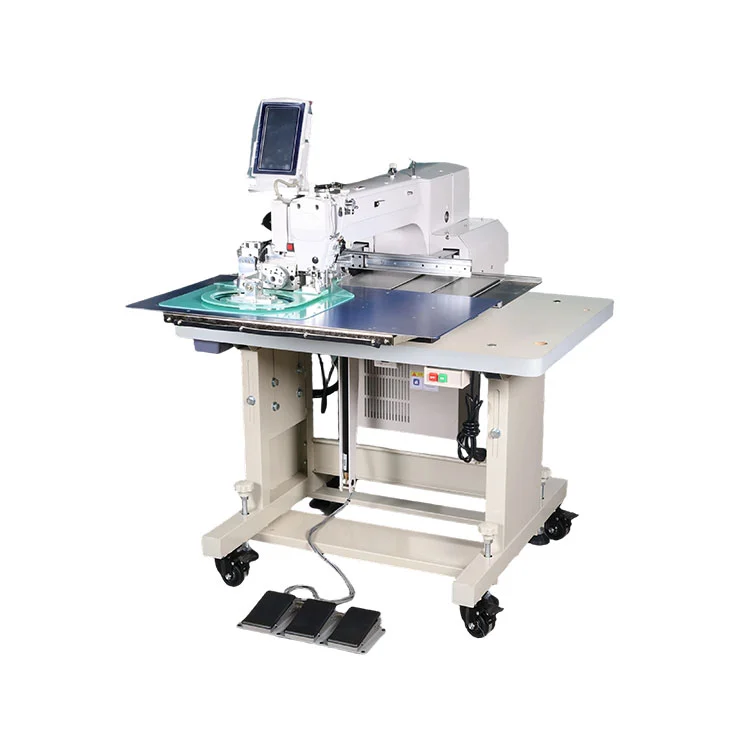
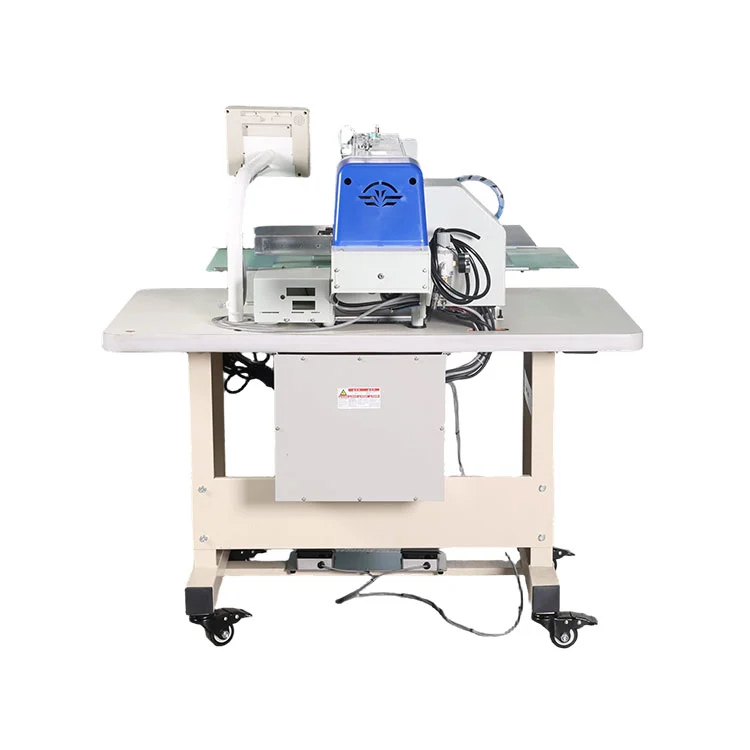
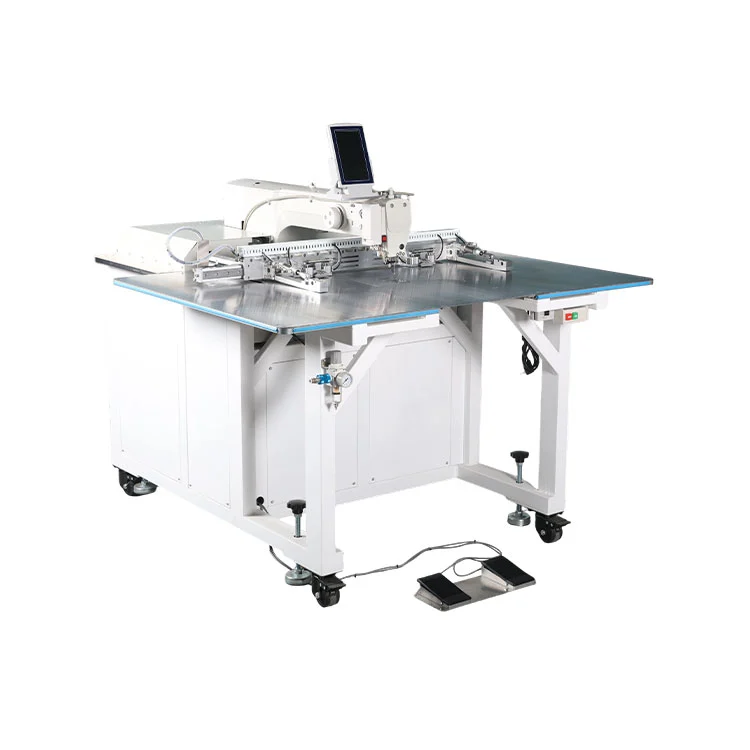
A shoe machine refers to specialized equipment used in the manufacturing, assembly, and finishing of footwear. These machines automate processes such as cutting, stitching, molding, and sole attaching, replacing manual labor with precise and repeatable operations.
Companies like Dongguan Sanyou Automation Technology Co., Ltd. have played a crucial role in advancing shoe machinery technology, offering innovative solutions tailored to modern production demands.
Traditional shoe production relied heavily on manual craftsmanship, which limited scalability and consistency. Today, shoe machines are indispensable due to:
Manufacturers working with Dongguan Sanyou Automation Technology Co., Ltd. often report significant productivity improvements.
Shoe machines come in various categories depending on their function in the production line:
A typical shoe machine includes several core components:
The workflow generally follows:
Modern shoe machines offer numerous advantages:
Solutions from Dongguan Sanyou Automation Technology Co., Ltd. are particularly known for their reliability and efficiency.
Despite their advantages, manufacturers may face challenges:
When selecting a shoe machine, consider:
Working with experienced providers like Dongguan Sanyou Automation Technology Co., Ltd. ensures you receive expert guidance and reliable solutions.
Shoe machines are widely used across:
| Machine Type | Function | Advantages | Best For |
|---|---|---|---|
| Cutting Machine | Material cutting | High precision | All footwear types |
| Stitching Machine | Sewing components | Strong seams | Upper construction |
| Lasting Machine | Shaping shoes | Consistent form | Mass production |
| Sole Attaching Machine | Bonding soles | Durable adhesion | Sports & casual shoes |
The future of shoe machines is driven by innovation:
Dongguan Sanyou Automation Technology Co., Ltd. continues to lead in developing cutting-edge solutions aligned with these trends.
Q1: What is the main purpose of a shoe machine?
A: To automate and improve the efficiency of footwear production processes.
Q2: Are shoe machines suitable for small businesses?
A: Yes, especially modular or semi-automatic machines designed for scalability.
Q3: How much does a shoe machine cost?
A: Prices vary widely depending on type, features, and automation level.
Q4: How long do shoe machines last?
A: With proper maintenance, they can last many years.
Q5: Why choose Dongguan Sanyou Automation Technology Co., Ltd.?
A: They offer reliable, innovative, and customizable solutions for various production needs.
Investing in the right shoe machine can transform your production capabilities, reduce costs, and improve product quality. With advancements in automation and intelligent systems, now is the perfect time to upgrade your manufacturing process.
If you are looking for high-quality, reliable, and efficient shoe machinery solutions, Dongguan Sanyou Automation Technology Co., Ltd. is your trusted partner. Contact us today to explore customized solutions that match your business needs and take your footwear production to the next level.