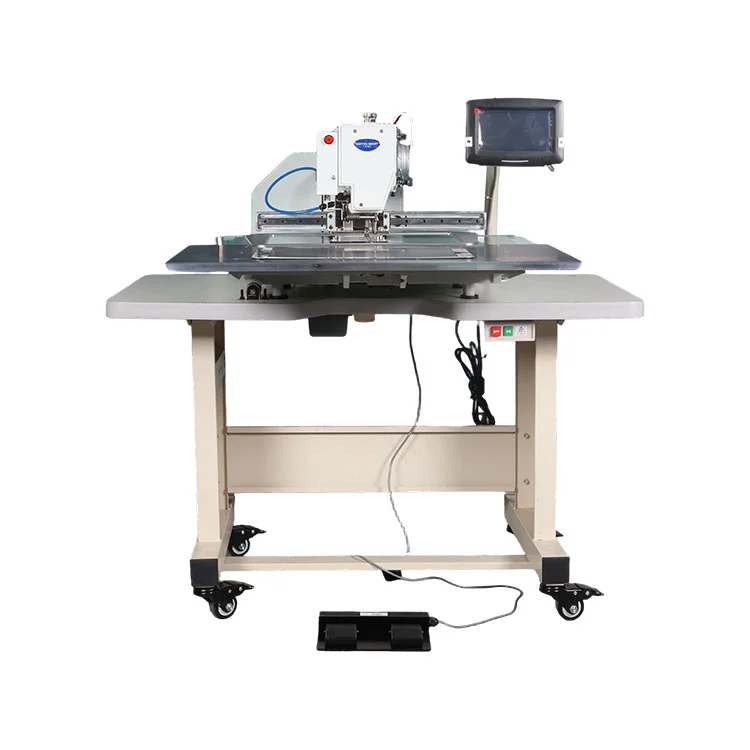
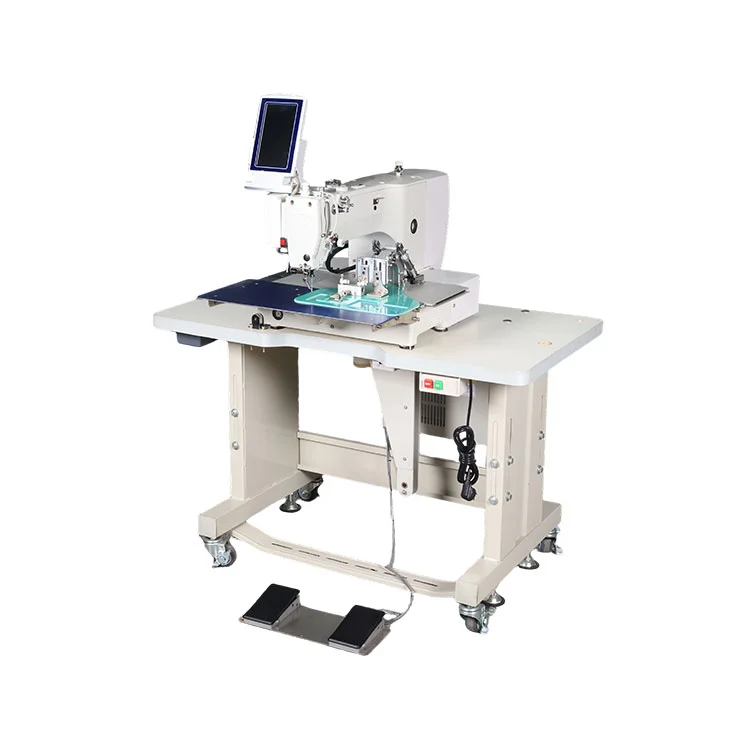
In an era dominated by high-tech gadgets, traditional sewing machines maintain their relevance by blending heritage with innovation. While they lack the automation of their modern counterparts, their simplicity and reliability make them a favorite among purists and educators.
Many fashion schools still incorporate manual sewing machines into their curricula. "Students need to understand the fundamentals before moving to advanced technology," explains David Chen, a fashion instructor. "Traditional machines offer hands-on experience that’s irreplaceable."
Moreover, the rise of sustainable fashion has renewed interest in manual sewing. Consumers increasingly prefer handmade, customized clothing over mass-produced items, driving demand for reliable, long-lasting machines. Vintage models, such as the Singer Featherweight, have even become collector’s items.
Manufacturers are also updating classic designs with USB connectivity and digital stitch selection, proving that even age-old tools can evolve. As the sewing community grows, traditional machines remain a vital link between past craftsmanship and future innovation.
We use cookies to offer you a better browsing experience, analyze site traffic and personalize content. By using this site, you agree to our use of cookies.Privacy Policy