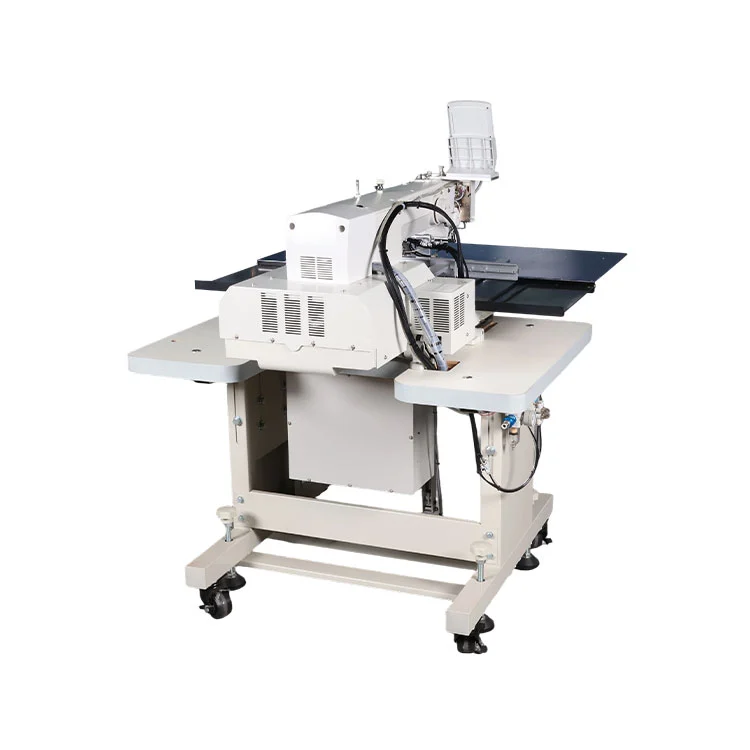
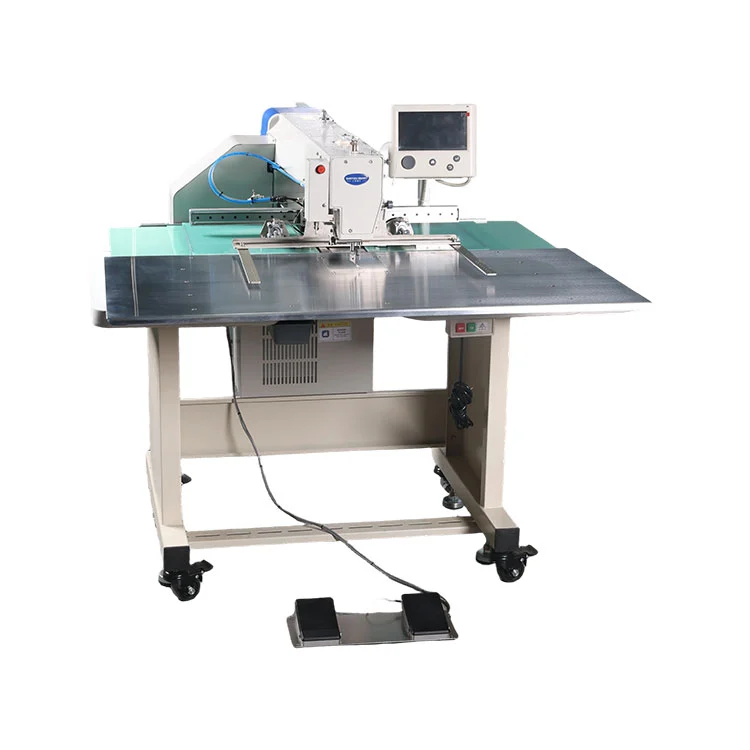
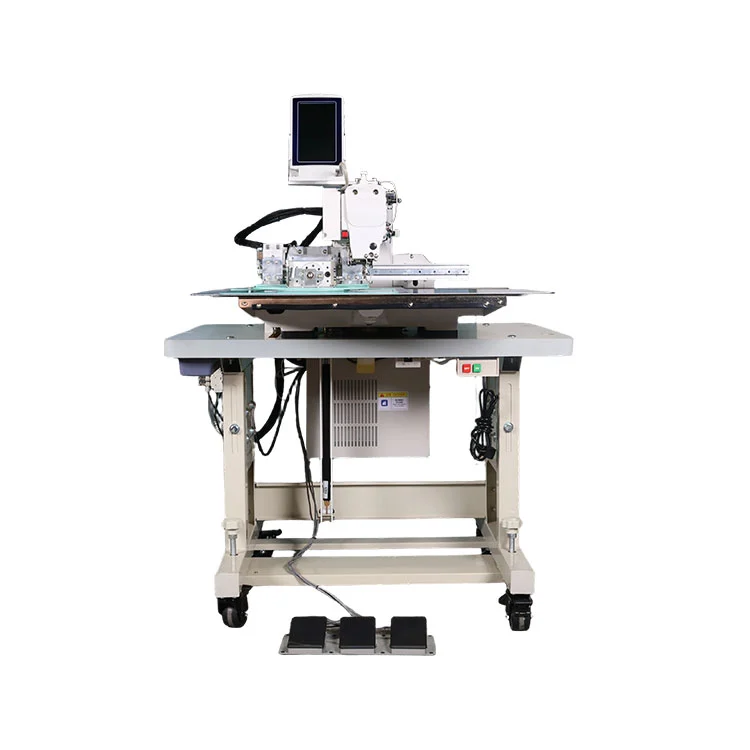
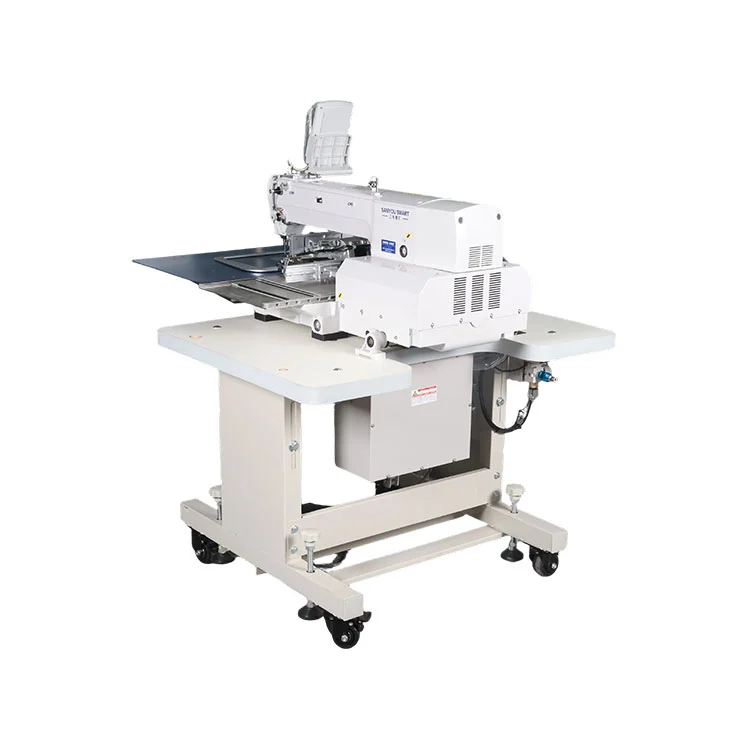
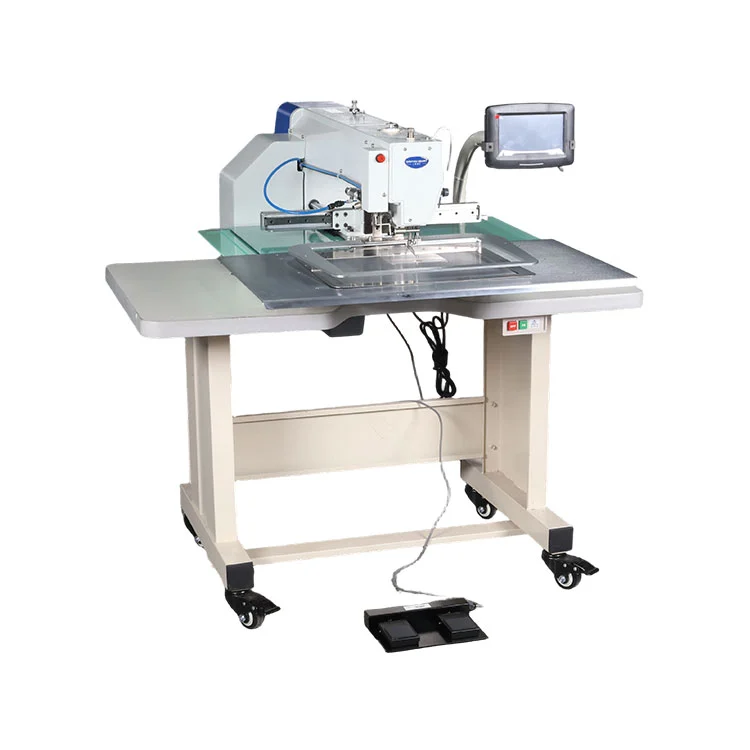
This guide explains how an industrial leather sewing machine supports efficient leather manufacturing. It explores the differences between leather and ordinary fabrics, important machine features, material compatibility, stitch quality, productivity considerations, and equipment selection. It also provides practical advice for evaluating machine performance, preparing production lines, and maintaining stable sewing results.
1. Why Leather Manufacturing Needs Specialized Sewing Equipment
Leather behaves differently from lightweight woven fabrics. It can be thick, dense, flexible, textured, or layered with backing materials. Its surface may also show needle marks permanently. Unlike many textiles, leather does not always recover after a needle penetrates it. This makes accurate needle placement and controlled stitching particularly important.
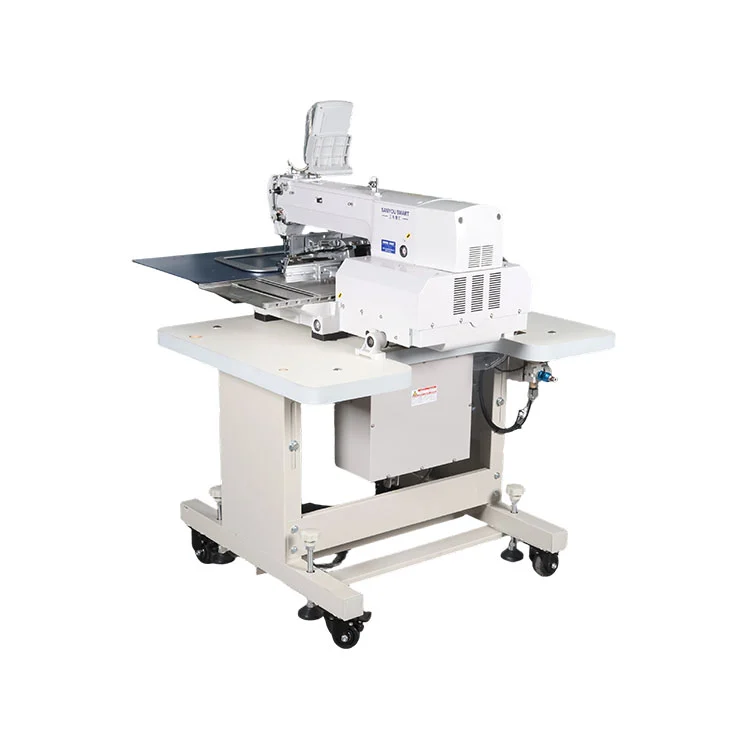
An industrial leather sewing machine is designed to handle demanding sewing operations associated with leather goods production. Depending on its configuration, it may provide stronger material feeding, suitable needle and thread compatibility, adjustable stitch length, and the ability to sew through multiple layers.
Specialized equipment helps manufacturers achieve repeatable results across production batches. Operators can work with fewer interruptions caused by material slippage, inconsistent feeding, or unsuitable sewing settings. The machine itself is only one part of the process, however. Needle selection, thread quality, operator skill, material preparation, and maintenance all influence the final result.
2. Common Challenges in Industrial Leather Sewing
Material thickness and multiple layers
Leather products often contain several layers, including outer leather, lining, foam, reinforcement, and decorative components. These layers may differ in thickness and friction. A machine that handles a single layer well may struggle when the material becomes thicker or more structured.
Uneven material feeding
Leather surfaces can have different levels of friction. Some materials slide easily, while others resist movement under the presser foot. Uneven feeding can produce irregular stitch lengths, shifted layers, or distorted seams.
Visible needle marks and surface damage
Every needle penetration can leave a permanent mark. Incorrect needle size, damaged needle tips, excessive pressure, or repeated stitching in the same area may affect the appearance of the product. Careful setup is essential, especially for premium leather goods.
Thread tension and skipped stitches
Thick thread and dense materials require an appropriate balance between upper and lower thread tension. Incorrect settings can cause loose loops, thread breakage, puckering, or skipped stitches. These issues should be investigated systematically rather than corrected by increasing tension without checking the rest of the setup.
3. Important Features to Evaluate
Machine specifications should be considered in relation to the actual product and production process. A long list of technical features does not automatically mean that a machine is suitable for every leather application.
| Feature | Why It Matters | What to Check |
|---|---|---|
| Material feeding system | Helps move thick or layered materials consistently | Feeding performance with representative workpieces |
| Needle compatibility | Supports different leather thicknesses and thread requirements | Supported needle systems and sizes |
| Stitch length adjustment | Allows different seam appearances and strengths | Adjustment range and consistency |
| Presser foot pressure | Influences material control and surface marking | Adjustment method and pressure stability |
| Motor and speed control | Supports production pace and operator control | Low-speed handling and speed range |
| Workspace and machine structure | Affects access to bulky or shaped products | Clearance, working area, and stability |
Feeding performance
For many leather applications, consistent feeding is one of the most important considerations. Depending on the machine design, different feeding mechanisms may be suitable for different materials and product shapes. Buyers should test the intended leather and layer combinations instead of relying only on a general description.
Control at different sewing speeds
High production speed is useful only when the operator can maintain accurate stitching. Corners, curves, short seams, and detailed components often require slower and more controlled sewing. A suitable machine should support the working pace needed for both straight seams and more delicate operations.
4. Matching the Machine to Different Leather Materials
Leather is not a single standardized material. Natural leather varies according to animal source, tanning process, thickness, finish, and surface treatment. Synthetic leather also differs in backing structure, flexibility, coating, and resistance to needle penetration.
| Material Type | Typical Sewing Considerations | Useful Evaluation Points |
|---|---|---|
| Genuine leather | Thickness variation, surface sensitivity, and natural texture | Needle marks, feeding consistency, and seam appearance |
| PU leather | Coating condition, flexibility, and surface friction | Coating damage and stitch regularity |
| Microfiber leather | Backing structure and material density | Layer feeding and needle compatibility |
| Heavy leather assemblies | Multiple layers and increased sewing resistance | Penetration capability and thread performance |
| Leather with lining or foam | Different layer thicknesses and compression behavior | Layer alignment and seam stability |
Before purchasing equipment, prepare samples that represent the thickest, thinnest, and most difficult materials in the planned product range. Include curved sections, overlapping seams, and reinforced areas if these are part of normal production. A practical sewing test is more useful than assuming that one machine specification covers every application.
5. How Stitch Quality Affects the Final Product
Stitch quality influences both appearance and service life. In products such as leather handbags, footwear, vehicle seats, and protective covers, seams may be exposed to repeated bending, pulling, friction, and daily use. A neat seam can improve the perceived quality of a product, while a weak or inconsistent seam may lead to returns and rework.
Manufacturers should evaluate several aspects of the finished seam:
- Stitch consistency: Stitch length and spacing should remain reasonably uniform along the seam.
- Thread balance: The upper and lower threads should interlock correctly within the material.
- Seam alignment: Layers should remain in the intended position during sewing.
- Edge quality: Stitching should follow the planned distance from the material edge.
- Surface condition: The leather should not show unnecessary marks, cuts, or coating damage.
- Seam strength: The construction should meet the product's functional requirements.
6. Improving Productivity on the Factory Floor
Productivity depends on more than the maximum sewing speed of a machine. A reliable production process reduces unnecessary adjustments, material handling, machine downtime, and repeated inspection. Equipment selection should therefore be connected to the entire manufacturing workflow.
Standardize sewing parameters
For repeat orders, record the needle type, thread specification, stitch length, tension settings, presser foot pressure, and other relevant adjustments. Documented settings help operators reproduce acceptable results when production resumes or shifts change.
Prepare materials before sewing
Cutting accuracy, edge preparation, component alignment, and consistent material batches can reduce interruptions at the sewing station. If workpieces arrive with inconsistent dimensions or poorly aligned layers, even a capable machine cannot fully correct the upstream problems.
Organize workstations
Place commonly used tools, thread, spare needles, and work instructions within convenient reach. Arrange workpiece movement to avoid unnecessary lifting or twisting, particularly when operators handle large upholstery panels or bulky leather assemblies.
Monitor defects and downtime
Track recurring issues such as thread breakage, skipped stitches, needle damage, and feeding problems. A simple production log can help identify whether a problem is related to a particular material batch, operator, machine setting, or maintenance condition.
7. Industrial Applications
Industrial leather sewing equipment is used across many manufacturing sectors. The required machine configuration depends on product dimensions, material construction, seam location, and daily output.
Leather bags and luggage
Bag manufacturing involves panels, handles, straps, gussets, pockets, and reinforced seams. Operators may need to sew through several layers while maintaining neat lines around corners and curved sections.
Footwear production
Leather footwear components require accurate seams and consistent material handling. Different shoe styles may involve thin uppers, reinforced sections, lining, and curved construction areas.
Automotive interiors
Seat covers, armrests, steering wheel covers, and interior trim may combine leather or synthetic leather with foam, fabric, and reinforcement. Appearance and seam consistency are important, especially in visible areas.
Furniture and upholstery
Sofa covers, chair upholstery, and other furniture components can be large and difficult to maneuver. Workspace design, operator access, and material feeding are important when selecting equipment for these applications.
Protective products and accessories
Leather workwear, tool holders, belts, cases, and protective covers may require durable seams and heavier thread. Buyers should assess the machine using the actual thickness and construction of their products.
8. How to Select the Right Machine
A structured selection process helps purchasing teams avoid choosing equipment based only on price or maximum speed. Begin with the product requirements, then compare machine capabilities against real production conditions.
- Define the product range. List the leather types, thicknesses, layer combinations, seam lengths, and product dimensions.
- Identify the most demanding operation. Consider thick intersections, tight curves, bulky assemblies, and visible decorative stitching.
- Confirm machine compatibility. Review the machine's supported needle system, thread range, feeding mechanism, and adjustment features.
- Request a sample test. Send representative materials and ask for a demonstration using the intended sewing process.
- Evaluate operator requirements. Consider training, adjustment procedures, access to controls, and ease of routine maintenance.
- Review after-sales support. Confirm spare parts availability, technical guidance, warranty terms, and service arrangements.
- Compare total operating costs. Include purchase price, consumables, maintenance, downtime, training, and expected production needs.
When comparing suppliers, request clear technical documentation and confirm that the quoted configuration matches the tested machine. If a manufacturer offers optional equipment or accessories, ask which items are included in the quotation.
9. Maintenance Practices for Stable Operation
Regular maintenance helps preserve machine performance and reduce unexpected production interruptions. The maintenance schedule should follow the manufacturer's instructions and the operating conditions of the factory.
- Remove lint, dust, and leather particles from accessible areas after production as recommended.
- Check the needle for bending, dullness, or damage and replace it when necessary.
- Inspect thread paths, tension components, and guides for wear or obstruction.
- Lubricate designated points according to the machine manual. Do not apply oil to areas that should remain dry.
- Check the presser foot and feeding components for damage or unusual movement.
- Listen for unusual noise and observe changes in vibration, stitch formation, or feeding behavior.
- Arrange periodic inspection by qualified maintenance personnel.
Operators should avoid making multiple adjustments at once when a sewing defect appears. Change one setting at a time, test the result, and record the adjustment. This makes troubleshooting more accurate and repeatable.
10. Purchasing Mistakes to Avoid
Choosing by maximum speed alone
A machine's highest speed may not represent the speed used for detailed leather work. Accuracy, feeding stability, and operator control are often more important for complex products.
Ignoring the thickest material combination
Testing only a single layer of leather can lead to an unsuitable purchase. Always evaluate the most demanding assembly that the factory expects to sew.
Overlooking spare parts and service
Equipment downtime can affect delivery schedules. Buyers should confirm which consumables and replacement components are readily available and how technical support is provided.
Failing to define acceptance criteria
Before a machine test, agree on practical criteria such as stitch appearance, feeding consistency, thread performance, and acceptable material condition. This creates a clearer basis for comparing suppliers.
11. Frequently Asked Questions
Q1: What makes an industrial leather sewing machine different from a regular sewing machine?
Industrial leather sewing machines are configured for demanding material handling and production requirements. Depending on the model, they may offer feeding systems, needle compatibility, thread handling, and construction features suited to thicker or layered materials.
Q2: Can one machine sew both genuine and synthetic leather?
Some machines can handle both, but compatibility depends on material thickness, backing, surface finish, thread, needle, and machine configuration. Testing the actual materials is recommended before purchase.
Q3: How can manufacturers prevent skipped stitches?
Check needle condition and installation, thread compatibility, tension balance, material feeding, and machine timing where applicable. If the problem continues, consult a qualified technician rather than repeatedly changing tension settings.
Q4: Is a higher sewing speed always better?
No. The appropriate speed depends on material thickness, seam complexity, operator experience, and product requirements. Controlled low-speed operation can be essential for corners and detailed stitching.
Q5: What information should buyers provide when requesting a quotation?
Provide product photos, material samples or descriptions, thickness range, number of layers, thread requirements, expected output, and any special seam requirements. This helps the supplier recommend a suitable configuration.
Q6: How often should an industrial leather sewing machine be maintained?
Daily cleaning and basic checks are commonly included in routine care, while lubrication and deeper inspections should follow the manufacturer's maintenance schedule and actual operating conditions.
12. Work with a Reliable Industrial Sewing Equipment Partner
Choosing sewing equipment is a practical manufacturing decision. The right solution should match the materials, product construction, production volume, operator workflow, and quality standards of the factory. A clear understanding of these requirements makes it easier to compare machine configurations and plan long-term production capacity.
Dongguan Sanyou Automation Technology Co., Ltd. focuses on automation technology and industrial equipment solutions. When evaluating equipment for leather product manufacturing, buyers should communicate their application requirements clearly and confirm technical details through product documentation and sample testing.
Discuss Your Leather Sewing Requirements
Looking for suitable sewing equipment for your leather goods production line? Share your material specifications, product photos, sewing requirements, and expected output with our team. Contact us to discuss your application and explore an equipment solution that fits your manufacturing needs.